Unveiling Patterns in How Reload Incentives Integrate with VIP Structures to Influence Activity Levels in Mobile-First Betting Applications
Written by Zoe Bauer · Jun 13, 2026
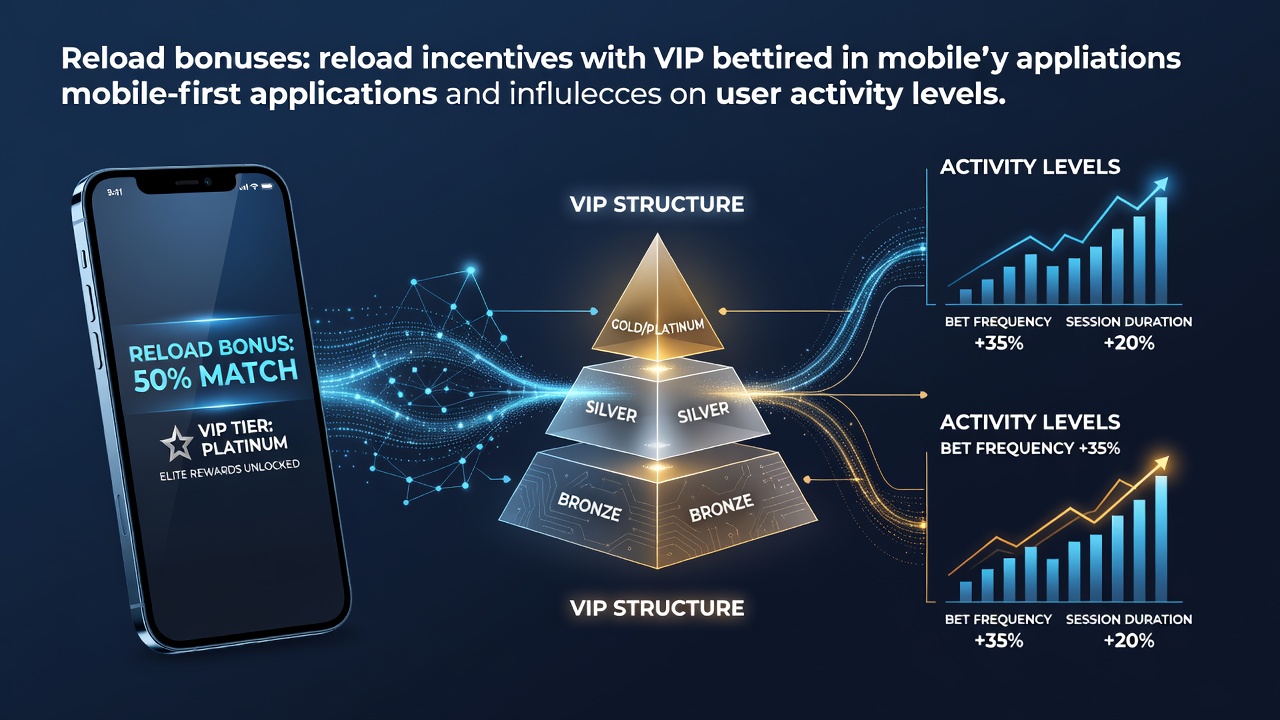
Unveiling Patterns in How Reload Incentives Integrate with VIP Structures to Influence Activity Levels in Mobile-First Betting Applications
Mobile-first betting applications have developed reload incentives that connect directly to VIP structures in ways that shape user engagement patterns across different platforms. Observers note that these systems often tie recurring deposit rewards to tiered membership levels, creating pathways where higher status unlocks more frequent or larger reload offers. Data from various regulated markets shows this integration tends to correlate with shifts in deposit frequency and session duration.Mechanics of Reload Offers Within Tiered Systems
Reload incentives typically appear as percentage-based matches on subsequent deposits after an initial signup, and mobile applications embed these within VIP frameworks by adjusting terms according to user level. Experts observe that entry-level participants might receive standard reload percentages while mid-tier users gain access to enhanced rates or additional free bet credits bundled with the same deposit action. This structure encourages repeated logins because the app interface displays personalized offers that update automatically based on recent activity metrics such as total wagered amounts or deposit consistency.
Research indicates that platforms using mobile push notifications deliver these tailored reload prompts at times when user data suggests peak engagement windows, often aligning with sporting events or weekend periods. The result appears in aggregated statistics where VIP members at elevated tiers demonstrate higher average deposit sizes compared with non-VIP cohorts over equivalent time frames.
Activity Level Shifts Linked to Integrated Rewards
Patterns emerge when reload incentives scale alongside VIP progression because users move through tiers by meeting thresholds that simultaneously qualify them for improved reload conditions. Figures from industry analyses reveal that once participants reach mid-tier status, the combination of larger reload percentages and faster tier advancement points often coincides with increased weekly login counts and extended in-app time. Those who study these systems note that the feedback loop strengthens when mobile applications allow instant VIP status checks right after a qualifying deposit completes.
What's interesting involves how conditional thresholds interact with these offers, since many programs require minimum deposit amounts that rise with tier level yet provide proportionally greater returns. Data shows sustained activity tends to concentrate among users who receive reload credits that can be applied across multiple bet types without separate wagering restrictions beyond standard playthrough rules.
Regional Observations Through Mid-2026
Through June 2026, mobile betting volumes in several North American jurisdictions displayed continued growth alongside refined VIP-reload integrations, with state-level reports highlighting differences in user retention based on how aggressively platforms linked reload timing to tier benefits. One analysis from the New Jersey Division of Gaming Enforcement documented that apps offering tier-specific reload windows recorded measurable upticks in repeat deposits among VIP segments during the first half of the year. Similar trends appeared in other regulated environments where mobile interfaces prioritized seamless transitions between deposit actions and VIP dashboard views.
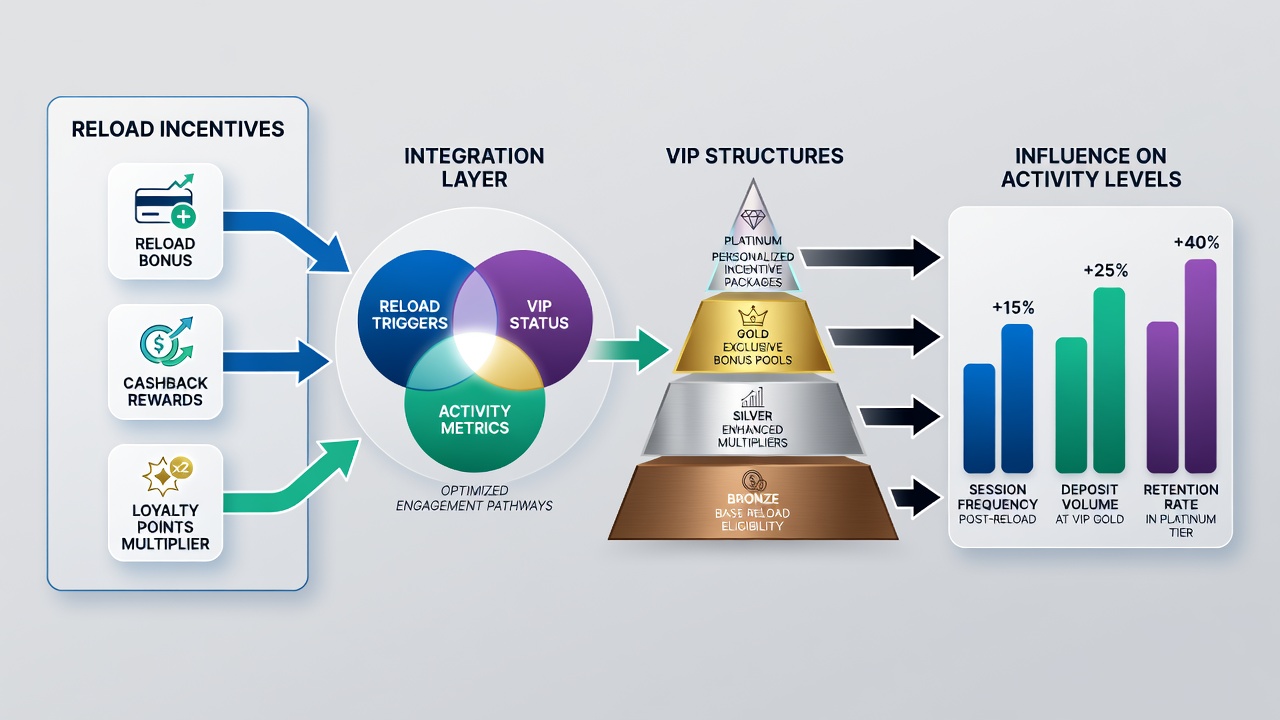
Canadian provincial data sources, including reports tied to the Alcohol and Gaming Commission of Ontario, similarly tracked how reload incentives adjusted for VIP status influenced cross-device activity, particularly when users moved between smartphones and tablets within single sessions. These records suggest that platforms maintaining consistent reload visibility across VIP levels experienced steadier engagement curves compared with those applying more rigid separation between promotional layers.
Quantitative Indicators from Platform Data
Studies compiled by academic researchers at institutions examining digital wagering ecosystems point to correlations between reload frequency and VIP tier stability, where users at higher levels showed lower churn rates when reload offers refreshed on predictable schedules tied to deposit history. Metrics often include average bets per session and total handle per user, both of which tend to rise once reload percentages become part of the VIP reward package rather than standalone promotions.
Industry organizations tracking global mobile gambling trends have compiled figures indicating that the presence of integrated reload mechanics can extend the average lifespan of user accounts by several months when paired with progressive VIP benefits. These patterns hold across different regulatory frameworks, although the exact thresholds for tier advancement and reload eligibility vary by jurisdiction and operator.
Conclusion
The integration of reload incentives with VIP structures continues to produce observable effects on activity levels within mobile-first betting applications, as evidenced by deposit patterns, session metrics, and tier progression data collected through June 2026. Regulated market reports and platform analytics together illustrate how these combined systems guide user behavior toward more consistent participation without requiring separate promotional campaigns for each reward type. Future monitoring by oversight bodies and research groups will likely refine understanding of these dynamics as mobile interfaces evolve and additional jurisdictions finalize their regulatory approaches.