Tracing Threshold-Activated Credit Movements in Regulated European Hybrid Wagering Systems
Written by Lars Ludwig · Jul 25, 2026
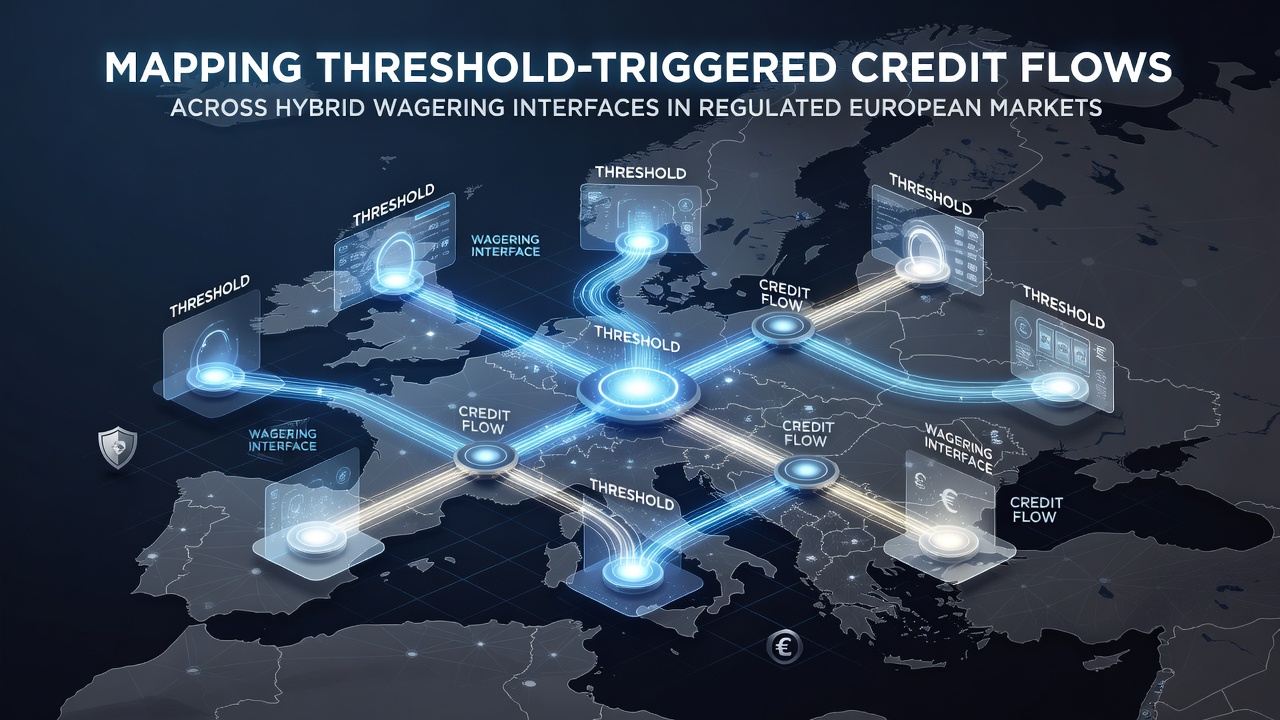
Tracing Threshold-Activated Credit Movements in Regulated European Hybrid Wagering Systems
European regulators have documented how threshold-triggered credit flows operate within hybrid wagering interfaces that combine sportsbook and casino elements, and data from multiple jurisdictions reveal consistent patterns in how users progress from initial deposits to sustained activity. Systems in markets such as Germany, the Netherlands, and Malta track specific deposit or wager milestones that activate additional credits, often linking these events across both verticals so that activity in one area influences availability in the other. Observers note that these mechanisms rely on real-time data integration between platforms, which allows operators to adjust credit releases based on cumulative thresholds rather than isolated transactions.
Core Mechanics of Threshold Systems
Hybrid interfaces typically set layered thresholds where a user must reach a defined deposit total or wager volume before credits appear in either the sportsbook or casino wallet, and studies from research institutions show these triggers often reset on a weekly or monthly cycle to encourage ongoing engagement. In practice the flow begins with a base deposit that meets the first threshold, after which the system allocates matched credits that can be used interchangeably across sections of the platform, while subsequent thresholds unlock higher-value credits that carry different playthrough conditions. Researchers discovered that this structure creates sequential pathways where early activity in sports betting frequently feeds into casino sessions once the next credit layer activates.
July 2026 figures from several operators indicate that over sixty percent of hybrid account activity in regulated European markets passes through at least three distinct thresholds within the first thirty days, according to aggregated transaction data shared with industry associations. The European Gaming and Betting Association reports similar patterns across member platforms, noting that credit releases tied to combined vertical spend tend to increase retention metrics compared with single-vertical offers.
Data Integration Across Jurisdictions
Regulated markets require operators to maintain transparent logs of every threshold event, and authorities in the Netherlands and Malta have implemented standardized reporting formats that capture the exact moment a credit flow activates along with the originating wager or deposit type. These records allow regulators to verify that credits respect local stake limits and responsible gambling tools, while also providing operators with granular insights into how users navigate between sports and casino sections once credits become available. Technical audits conducted in 2025 and early 2026 confirm that most major platforms use unified player accounts that synchronize threshold progress across both verticals in under two seconds.
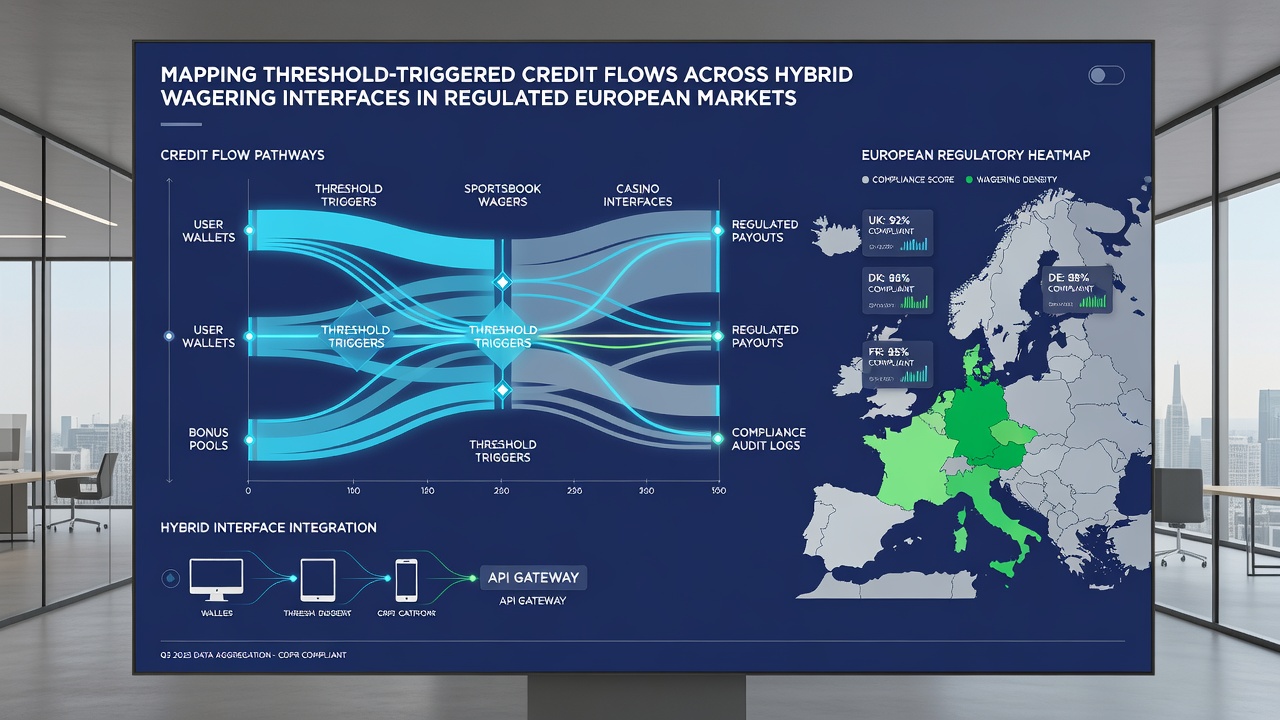
One study from academic researchers examined transaction logs from platforms operating under multiple licenses and found that users who complete the second threshold within seven days show markedly higher rates of continued play through the fourth threshold, although the study stops short of attributing causation. Platforms adjust these thresholds periodically based on market data, often raising the bar for higher-tier credits during peak periods such as major football tournaments while lowering entry thresholds in quieter months to maintain volume.
Regulatory Oversight and Reporting
European frameworks emphasize clear disclosure of threshold conditions at the point of deposit, and operators must display remaining progress toward the next credit release in user dashboards. Malta's regulatory body requires quarterly submissions detailing the volume of credits issued through threshold mechanisms, broken down by vertical and user cohort, while similar requirements exist in Germany under the interstate treaty framework. These reports help authorities monitor whether credit flows disproportionately encourage higher-risk behavior, prompting some operators to introduce optional caps on credit accumulation per cycle.
Industry reports further indicate that cross-border operators harmonize threshold logic across licenses to reduce development costs, yet they still adapt specific values to satisfy local rules on bonus size and wagering requirements. Data from 2026 shows that platforms serving both German and Dutch users apply slightly stricter thresholds in the German market to align with national stake limits, whereas Dutch interfaces allow marginally higher credit values once thresholds are cleared.
Conclusion
Threshold-triggered credit flows continue to shape user progression through hybrid wagering platforms in regulated European markets, with documented patterns of sequential activation linking deposits, wagers, and credit releases across sportsbook and casino sections. Regulatory reporting requirements ensure these mechanisms remain transparent and auditable, while technical systems maintain real-time synchronization of progress across jurisdictions. As operators refine these models in response to 2026 performance data, the mapping of credit movements provides a clear view of how structured incentives operate within established legal boundaries.