Tracing Sequential Reward Structures from Entry Incentives to Sustained Hybrid Engagement Across UK Mobile Betting Platforms
Written by Sofia Franke · Aug 13, 2026
Tracing Sequential Reward Structures from Entry Incentives to Sustained Hybrid Engagement Across UK Mobile Betting Platforms
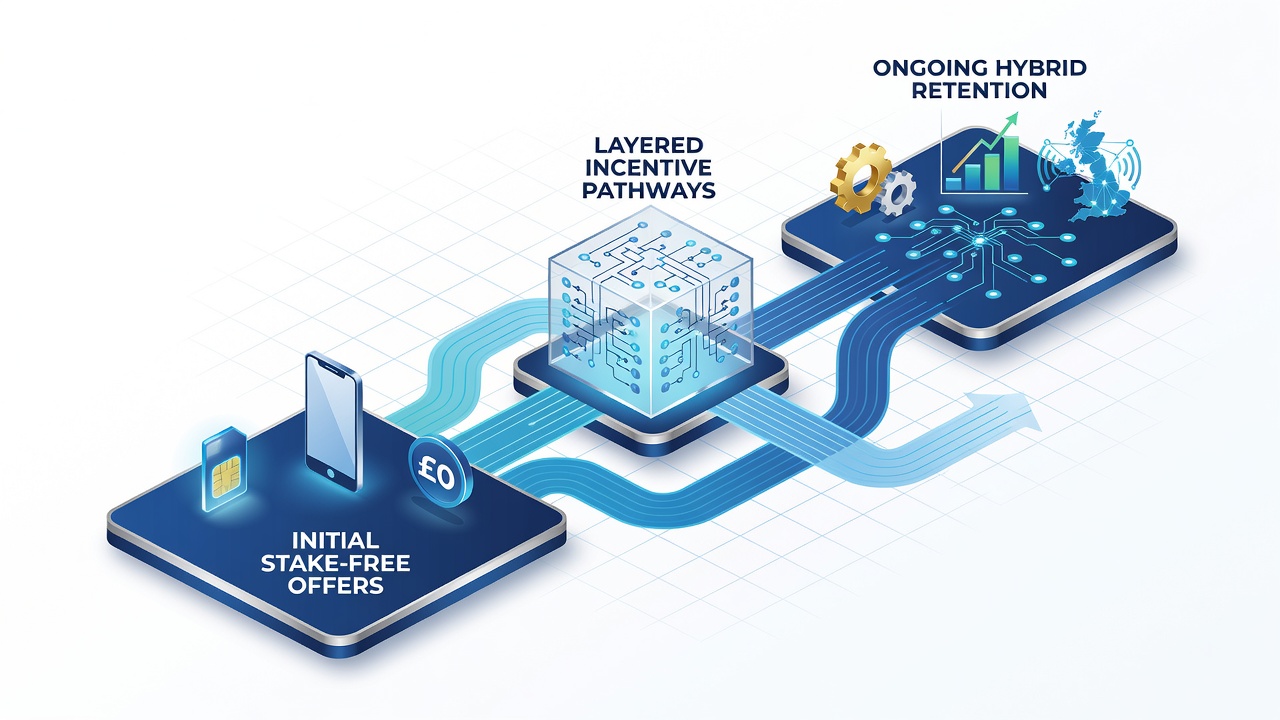
Operators in the United Kingdom mobile betting sector have developed structured sequences that begin with stake-free promotions and extend into ongoing hybrid retention programs combining sports and casino elements, and these pathways operate through clearly defined stages that encourage initial trial followed by repeated platform interaction. Data collected during August 2026 shows mobile applications accounting for the majority of new account registrations with many users progressing from zero-stake entries into deposit-based activities within the first thirty days of engagement.
Initial Entry Mechanisms and Their Design
Stake-free offers typically appear as no-deposit bonuses or free bet credits that require minimal commitment from new users, and these incentives function as gateways that introduce platform features without immediate financial outlay. Researchers tracking user behavior note that registration flows often bundle these offers with identity verification steps, which then unlock access to both sports wagering and casino sections in a single application environment. The structure allows operators to measure conversion rates from free credits into funded accounts while users explore different product categories simultaneously.
Layered Progression Toward Deposit Integration
Once users activate initial stake-free rewards, platforms introduce conditional deposit matches that scale according to activity levels, and these second-stage incentives frequently incorporate wagering requirements tied to both sports and casino play. Observers have documented how operators segment users based on early engagement patterns, directing those who favor football accumulators toward enhanced odds promotions while routing casino participants toward reload bonuses with specific game categories. This segmentation creates parallel tracks within the same application, allowing hybrid retention to develop through targeted nudges rather than uniform messaging.
Hybrid Retention Through VIP Escalation
Longer-term retention relies on VIP structures that activate after sustained deposit activity, and these programs integrate points systems that accumulate across sports bets and casino spins within a unified loyalty framework. Figures from August 2026 indicate that users who complete at least three deposit cycles show markedly higher rates of continued weekly logins, with many advancing through tier levels that unlock personalized free bet bundles and cashback percentages. The progression connects early stake-free experiences to later hybrid rewards by maintaining consistent reward visibility across both verticals, and this continuity encourages users to maintain balances on mobile devices rather than migrating between separate applications.
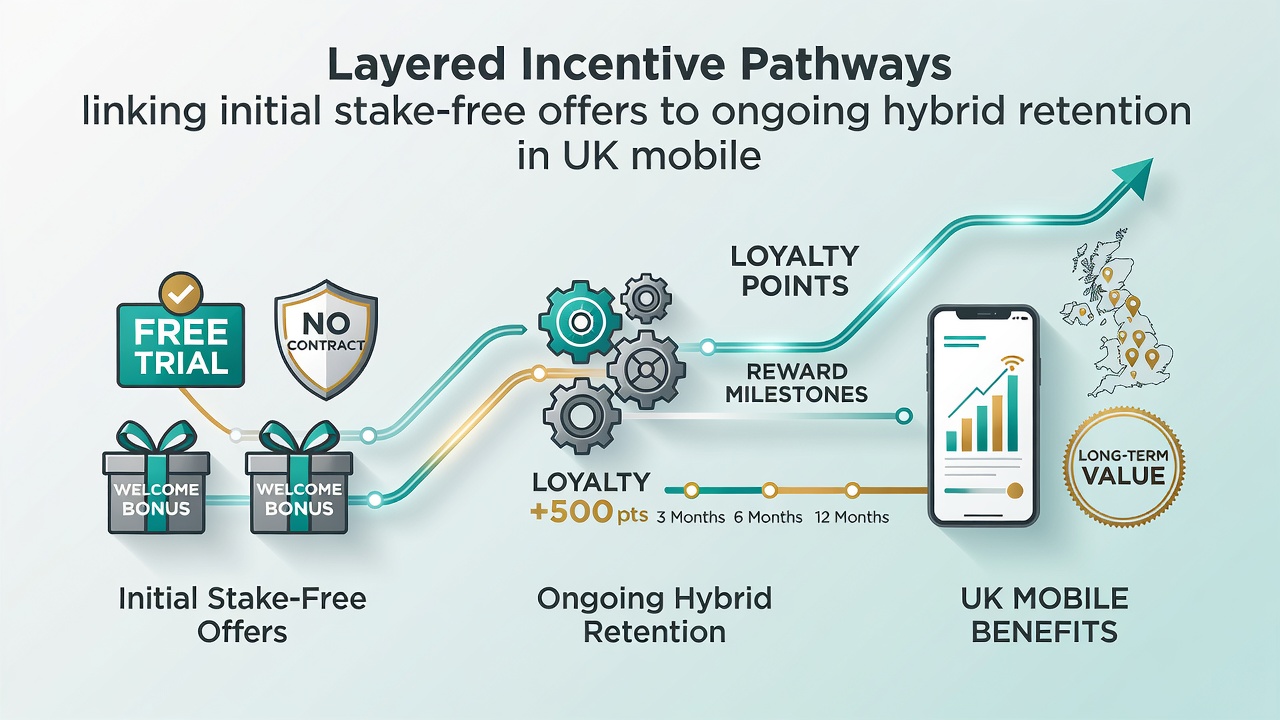
One documented pattern involves operators issuing time-limited challenges that combine requirements from both sports and casino products, and these challenges accelerate movement into higher VIP tiers when completed within mobile sessions. Data indicates that participants in such cross-product challenges demonstrate extended session durations compared with users focused on single verticals, and the resulting engagement feeds back into algorithm-driven personalization that surfaces relevant promotions at optimal intervals.
Regulatory and Market Context Influencing Pathway Design
Platforms operating in the United Kingdom must align incentive sequences with rules established by multiple oversight bodies, and this alignment shapes how stake-free offers transition into deposit-linked rewards without violating advertising or responsible gambling standards. According to information released by the Australian Gambling Research Centre, similar layered structures in other regulated markets demonstrate measurable effects on user longevity when transparency requirements remain consistent. Operators therefore embed clear terms at each stage, ensuring users understand progression criteria before advancing from free entries to funded hybrid activity.
Measurement of Retention Outcomes
Analytics teams monitor key indicators such as repeat deposit frequency, cross-vertical play ratios, and time between sessions to evaluate pathway effectiveness, and these metrics reveal how initial stake-free offers correlate with longer platform tenure when followed by graduated incentives. Studies compiled by the University of Nevada, Reno International Gaming Institute highlight that mobile-first environments benefit particularly from seamless transitions between reward stages because push notifications and in-app messaging maintain visibility of upcoming tiers. August 2026 records show continued emphasis on real-time tracking that allows operators to adjust incentive values based on aggregate user responses across the hybrid portfolio.
Conclusion
Layered incentive pathways in UK mobile environments connect stake-free starting points to sustained hybrid retention through deliberate sequencing of rewards, conditional thresholds, and tiered loyalty features. The approach relies on measurable user progression data collected throughout 2026, with operators refining transitions to maintain engagement across sports and casino products within single applications. These structures continue to evolve in response to regulatory expectations and behavioral analytics while preserving the initial low-barrier entry that draws new participants into ongoing activity cycles.