The Cascade Effect of Entry-Level Incentives on Multi-Platform User Journeys in Contemporary Wagering Systems
Written by Zoe Bauer · Jun 11, 2026
The Cascade Effect of Entry-Level Incentives on Multi-Platform User Journeys in Contemporary Wagering Systems
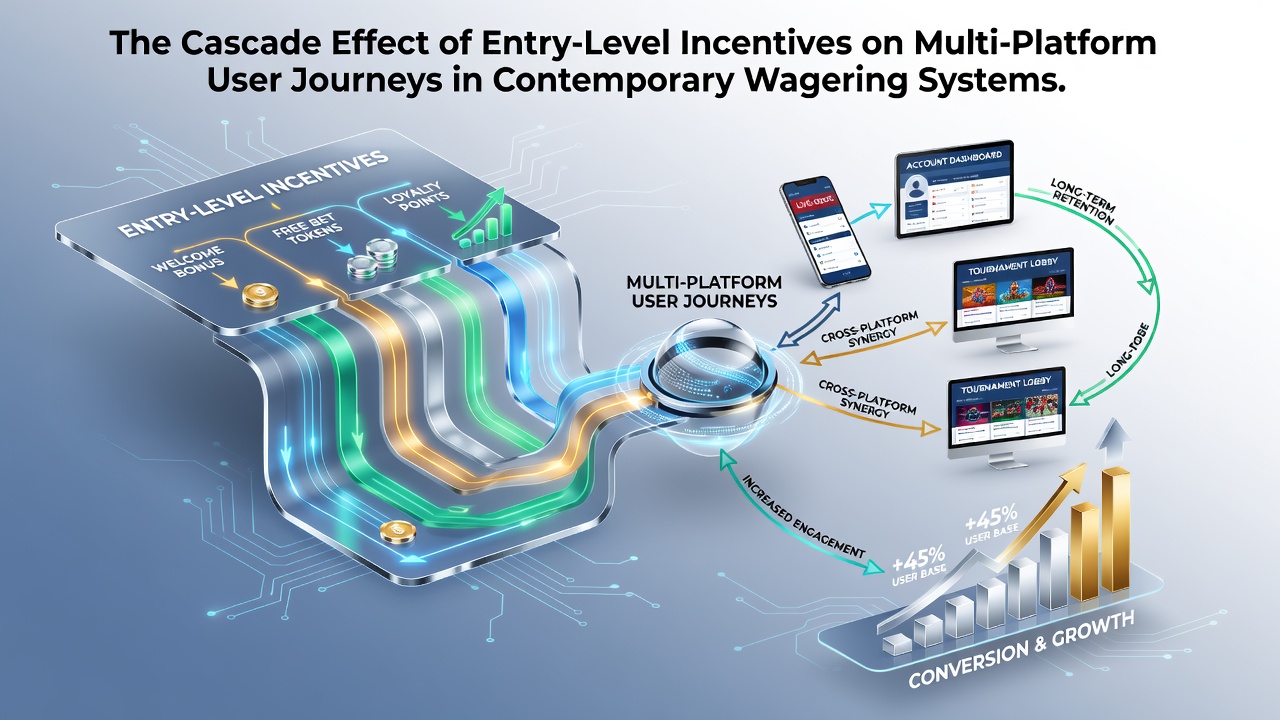
Entry-level incentives such as free bets and matched deposits initiate sequences that extend user engagement across sportsbooks, casinos and hybrid platforms in regulated markets. Data from industry tracking systems show these starting points often link to repeated deposits, feature unlocks and cross-product activity within weeks of the first interaction. Observers note that the pattern appears in both single-operator ecosystems and multi-brand environments where shared accounts allow movement between verticals.
Mechanics Behind Initial Triggers
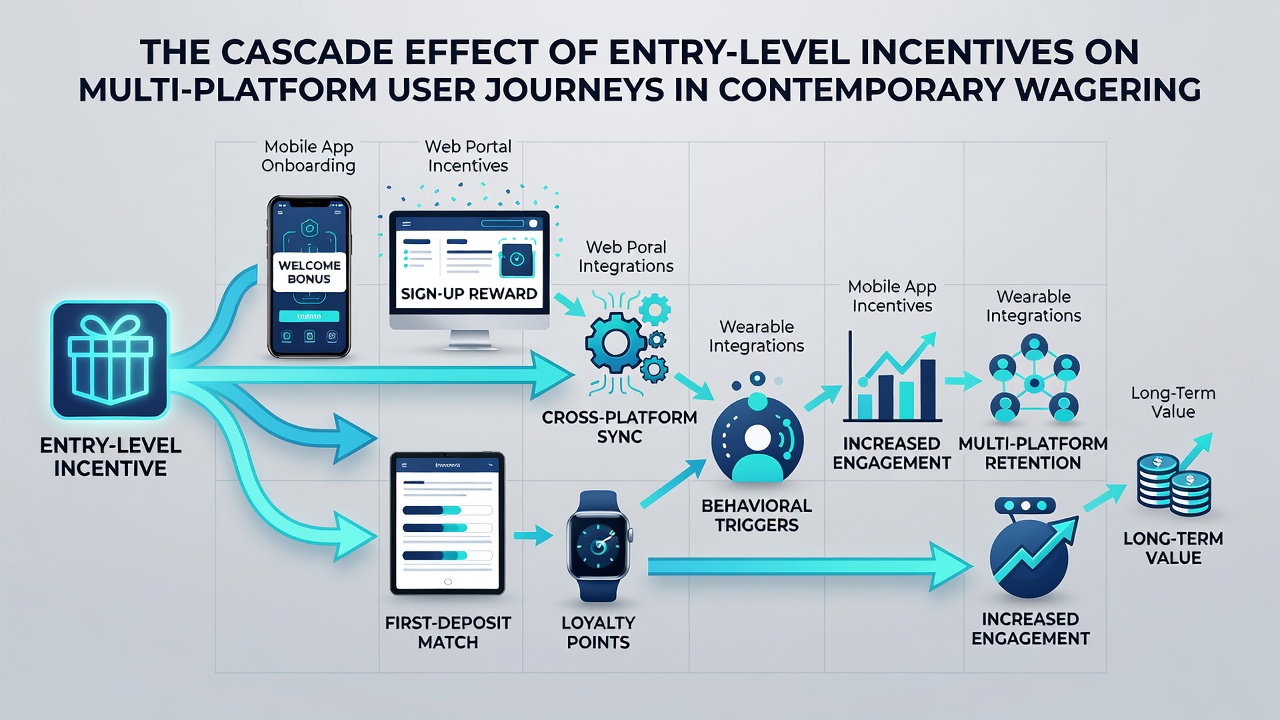
Operators structure entry offers around zero-stake or low-risk actions that require minimal upfront commitment. A free bet credited after registration prompts users to explore odds formats and cash-out tools, while a first-deposit match activates once funds clear. According to reports compiled by the American Gaming Association, these mechanics correlate with higher session counts in the opening month compared with accounts opened without promotional credits. The sequence continues when users meet rollover thresholds that unlock reload bonuses or casino-specific spins, creating incremental steps rather than isolated events.
Progression Across Platform Types
Multi-platform journeys emerge when the same user account spans sportsbook, casino and live dealer sections. Research conducted by the Canadian Centre on Substance Use and Addiction indicates that participants who begin with a sports-focused bonus frequently migrate toward slot or table-game promotions once initial wagering requirements are satisfied. This movement happens because operators embed navigation prompts and personalized offers that reference prior activity, guiding users toward under-utilized verticals. Figures from June 2026 tracking periods reveal sustained weekly logins when users complete at least two vertical switches within the first thirty days.
Data Patterns in Retention Cycles
Longitudinal datasets collected across North American and European operators demonstrate measurable differences in lifetime value between incentive-initiated accounts and organic sign-ups. Accounts activated through entry-level offers display elevated deposit frequency during months two through four, provided the operator maintains consistent communication about remaining bonus stages. Those who studied platform telemetry note that churn rates drop when users receive tiered reminders tied to original incentive milestones, yet the same datasets show plateaus once all promotional ladders conclude without further structural rewards.
Regional Regulatory Influences
Frameworks established by bodies such as the Australian Communications and Media Authority shape how operators present and track incentive sequences. Requirements around clear wagering terms and spend disclosures affect the visibility of cascade pathways, prompting some platforms to surface progress meters that display remaining playthrough amounts. In markets where such meters appear, completion rates for subsequent bonus stages rise, according to aggregated operator filings submitted through mid-2026. Conversely, jurisdictions without standardized disclosure see wider variance in how far users advance beyond the initial trigger.
Cross-Vertical Linkages Observed in 2026
Hybrid operators that combine sports and casino products under one wallet record elevated transfer volumes between verticals when entry incentives include both categories. June 2026 metrics from several large platforms indicate that users who convert a free sports bet into casino play generate higher average revenue per user than those who remain in one vertical. These patterns hold across desktop and mobile sessions, with mobile apps showing faster vertical switching because push notifications reference both product types simultaneously.
Conclusion
Entry-level incentives function as gateways that operators connect to layered reward structures across multiple wagering products. Tracking data through June 2026 illustrate how initial triggers extend into repeated activity when platforms maintain coherent progression systems and clear compliance messaging. The resulting journeys reflect coordinated design choices rather than random user behavior, with measurable differences appearing in retention and cross-product engagement metrics.