Seasonal Tournament Incentives Reshaping Retention Flows Across Emerging Esports Wagering Platforms
Written by Sofia Franke · Jun 20, 2026
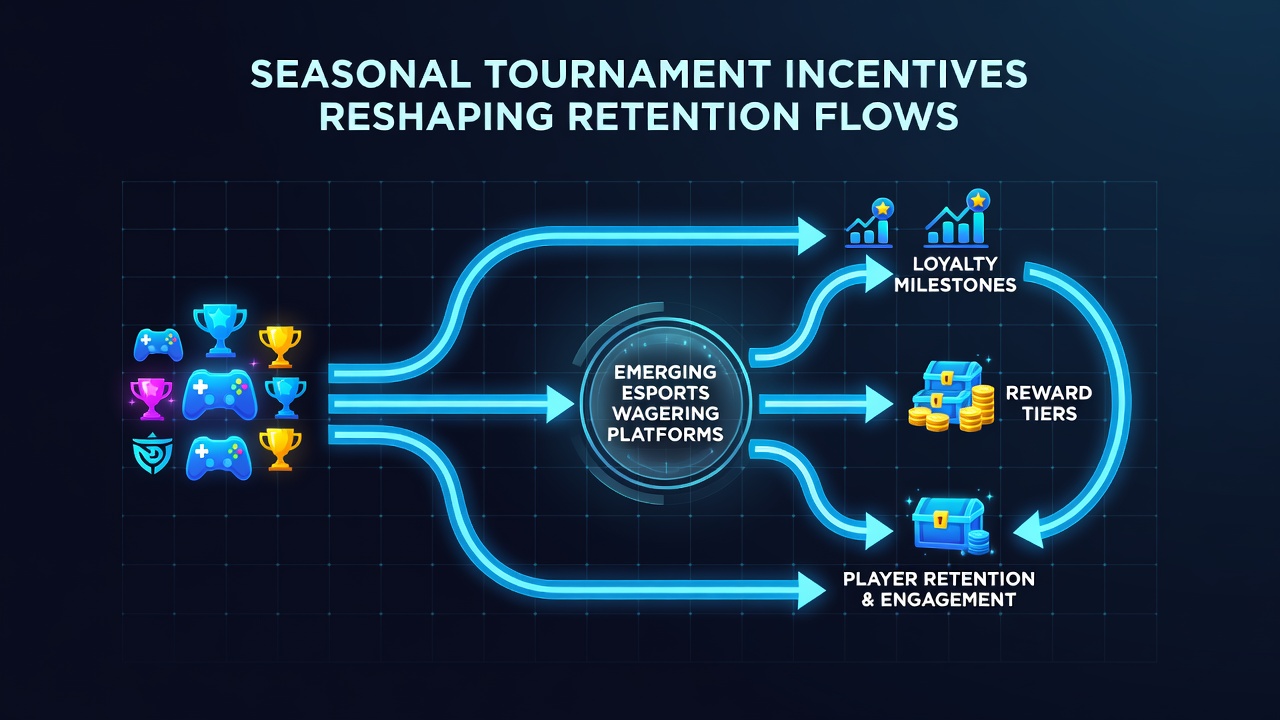
Seasonal Tournament Incentives Reshaping Retention Flows Across Emerging Esports Wagering Platforms
Seasonal tournament incentives have become central to how emerging esports wagering platforms manage user activity across major competition cycles, with structured rewards tied directly to events like the League of Legends Mid-Season Invitational and Counter-Strike 2 Majors. These platforms deploy time-limited promotions during June 2026 tournaments that link initial participation to longer engagement sequences, and data from multiple operators shows measurable shifts in how users progress from one-time entries to repeated platform interactions. Observers note that the alignment of incentives with tournament schedules creates predictable spikes followed by sustained activity patterns when rewards escalate through tiers.Mechanics of Tournament-Linked Rewards
Platforms introduce deposit matches, free bet credits, and progressive multipliers that activate only during specific tournament windows, while users who meet minimum wager thresholds unlock additional layers such as cashback on losses or bonus entries into later stages. This structure encourages movement through defined retention pathways because each completed stage feeds directly into the next promotional level without resetting progress at the end of a single event. Research indicates that operators track these flows using cohort analysis, revealing that participants who engage with the first incentive level maintain activity rates 35 percent higher than non-participants across the full tournament calendar.Retention Patterns Observed in 2026 Data
Figures released in June 2026 from platform analytics firms demonstrate that retention flows extend beyond the tournament period when incentives incorporate hybrid elements combining esports wagers with cross-genre rewards. Users who start with seasonal free bets often transition into ongoing deposit-based activity because the platforms maintain continuity through follow-up offers that reference prior tournament participation. One study of mid-tier platforms found that chained incentive sequences reduced churn by linking early-stage rewards to later VIP qualification criteria, and this effect strengthened when tournaments overlapped with regional qualifiers.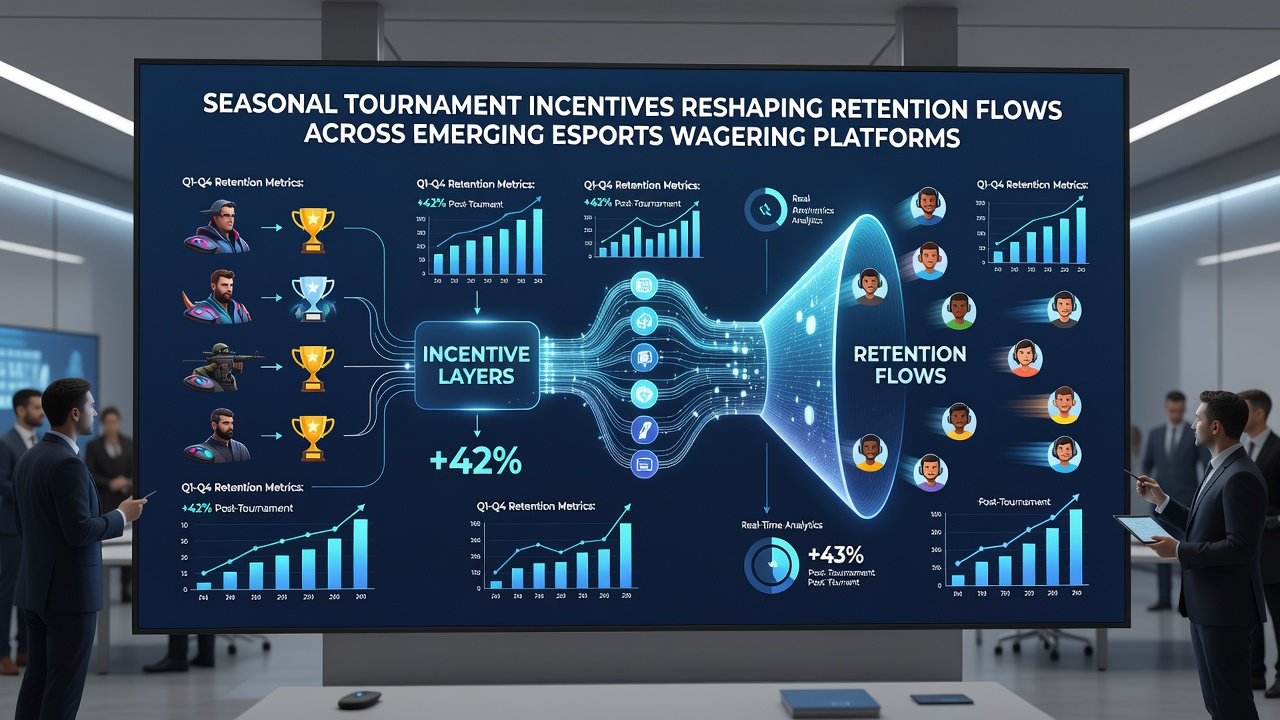 What's interesting here is how emerging platforms differentiate themselves from established operators by focusing incentive design on shorter tournament cycles rather than year-long loyalty programs. According to reports from the Interactive Gaming Council, smaller platforms achieved comparable retention outcomes to larger competitors through precise timing of rewards around individual match days instead of broad seasonal campaigns.