Progressive Incentive Ladders Reshaping Retention Dynamics in Cross-Border Digital Wagering Environments
Written by Lars Ludwig · May 23, 2026
Progressive Incentive Ladders Reshaping Retention Dynamics in Cross-Border Digital Wagering Environments
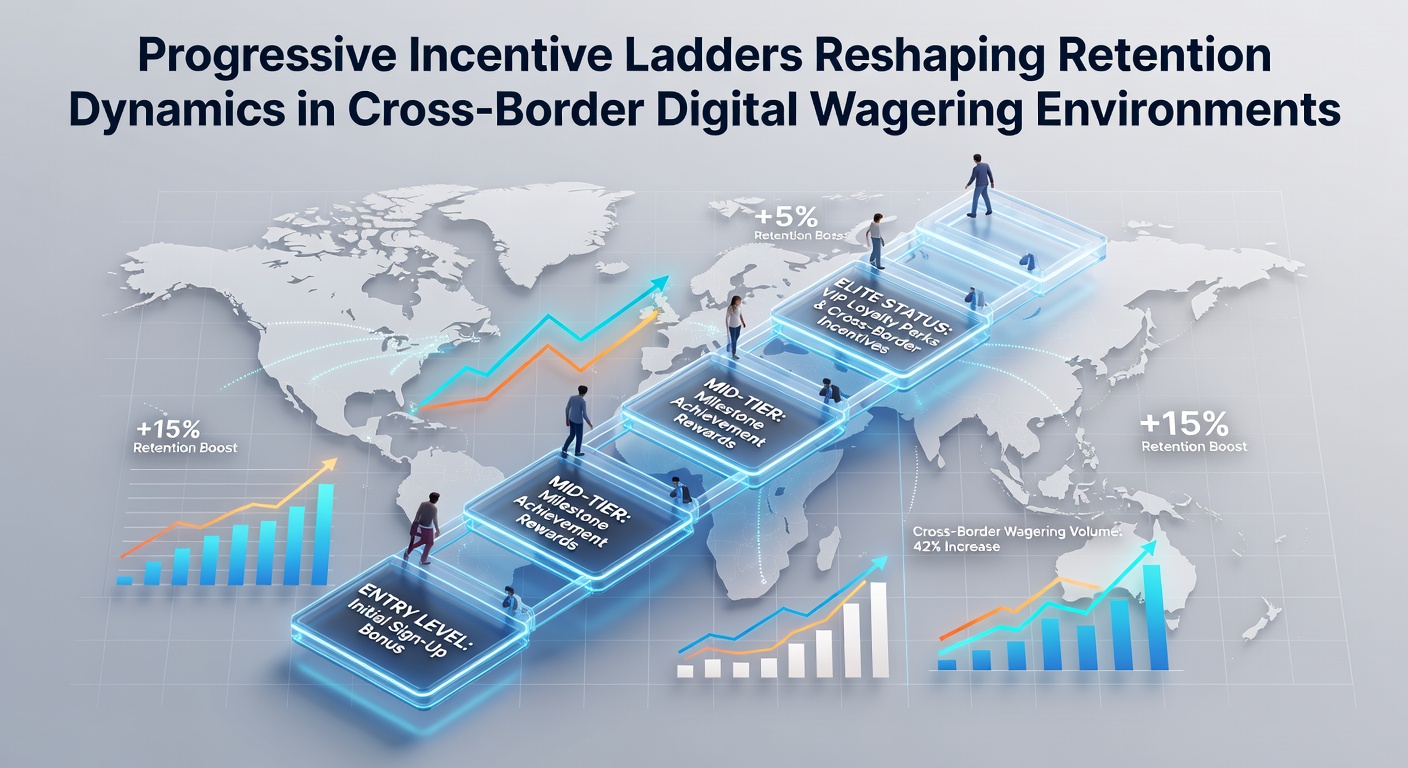
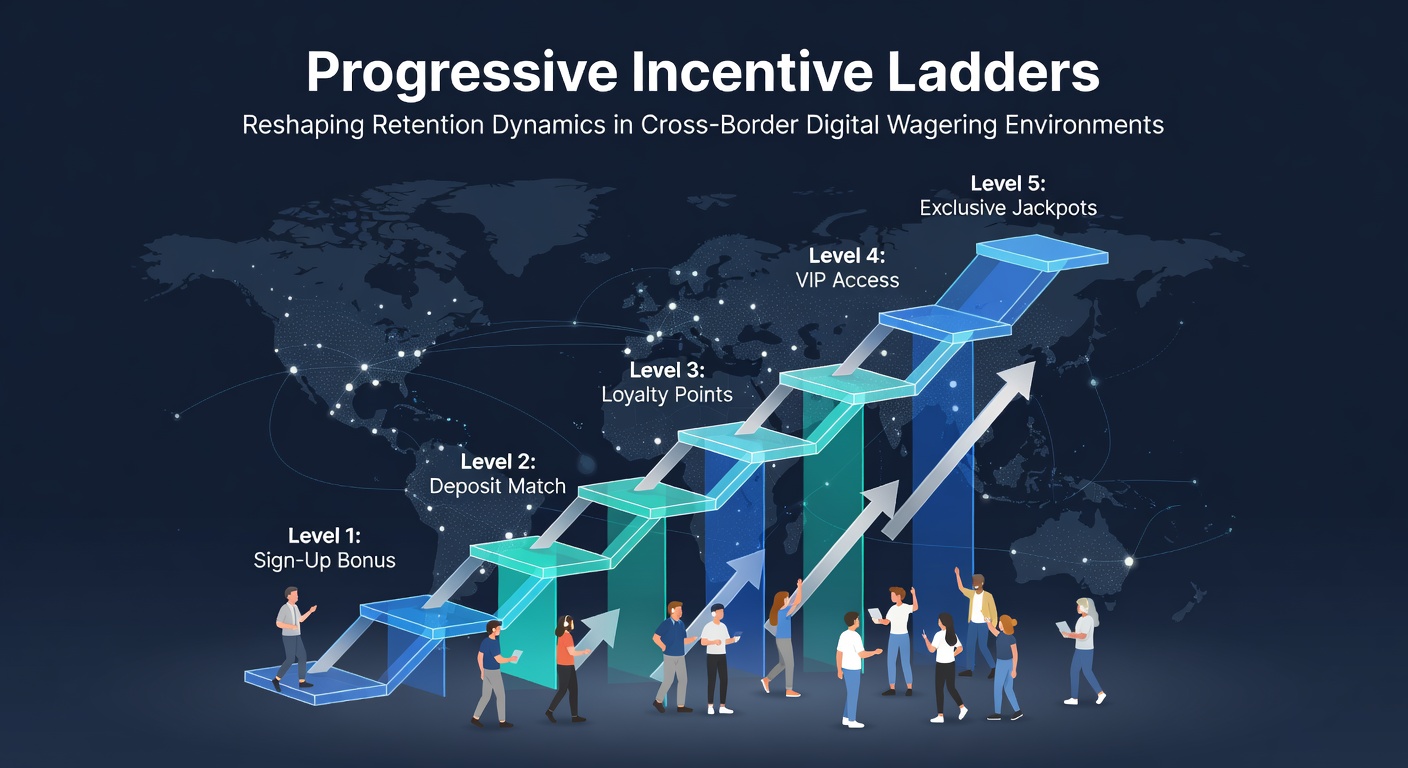
Operators in regulated digital wagering markets have introduced progressive incentive ladders that advance users through defined reward tiers based on cumulative activity and deposit patterns, and these systems operate across borders where licensing rules differ by jurisdiction. The structure typically begins with entry-level offers such as free bets or matched deposits, then escalates to higher-value perks including cashback percentages, personalized odds boosts, and exclusive event access once players meet volume thresholds. Data from multiple markets shows these ladders correlate with extended session lengths and repeat logins because each tier unlocks measurable advantages that encourage continued participation rather than one-time engagement.
How Tiered Systems Operate in Practice
Platforms segment users into levels that reset or advance on monthly cycles, and movement depends on metrics like total wagered amount, number of active days, and sometimes diversity of product use across sports and casino sections. In practice a player might start at a bronze tier with a 50 percent deposit match up to a set limit, progress to silver after reaching a predefined turnover figure, and then access gold-level rewards such as 10 percent cashback on net losses plus priority withdrawal processing. Cross-border platforms adjust these parameters to align with local tax treatments and responsible gaming limits, so the same operator might apply different progression speeds in Ontario compared with New Jersey or Australian states.
Regulatory filings indicate that ladder designs incorporate compliance checkpoints at each tier transition, requiring age verification refresh and spend-limit confirmations before higher benefits activate. This approach allows firms to maintain a single global technology stack while tailoring the pace of reward escalation to satisfy distinct oversight bodies, and observers note that such flexibility supports retention without violating regional caps on promotional value.
Retention Patterns Across Jurisdictions
Industry reports compiled in early 2026 document retention rate improvements of 18 to 27 percent among users who advance at least two tiers within their first 90 days, and these gains appear consistent whether measured in North American or European licensed environments. The effect strengthens when ladders integrate hybrid elements that blend sportsbook and casino activity, because players who diversify their play reach higher tiers faster and receive rewards applicable across both verticals. In May 2026 several multi-state operators reported that users enrolled in progressive systems generated 34 percent more handle per active account than non-enrolled cohorts during the preceding quarter.
Cross-border data aggregation reveals that currency conversion and time-zone factors influence how quickly users accumulate qualifying activity, prompting operators to introduce region-specific accelerators such as bonus multipliers during local sporting events. Canadian provincial records and New Jersey Division of Gaming Enforcement summaries both list increased day-seven and day-thirty return rates for accounts that received tiered incentives, and similar patterns surface in Australian regulatory disclosures where state-by-state comparisons show elevated retention when ladders account for local sports calendars.
Regulatory and Technical Considerations
Operators must map incentive triggers against each market's advertising standards and bonus disclosure rules, which means a single ladder description often contains jurisdiction-specific footnotes that clarify maximum reward values or eligibility windows. Technical teams maintain separate tracking ledgers for each licensed entity while sharing a unified user profile, and this architecture prevents double-counting of activity that crosses regulatory lines. According to figures released by iGaming Ontario, platforms that synchronized their ladder logic with provincial spend-tracking tools recorded fewer compliance queries during the first half of 2026.
Academic studies from European research consortia have examined how progressive structures affect player segmentation, finding that mid-tier users exhibit the strongest response to incremental goal-setting because the next reward remains visibly attainable. These findings align with operational data shared by the American Gaming Association, which tracks multi-state retention metrics and notes that ladder participants maintain accounts longer than those receiving only flat promotional offers.
Cross-Border Data Flows and Player Mobility
When users relocate or access platforms from different countries, ladder progress sometimes carries over through centralized loyalty identifiers, yet local rules may cap imported benefits or require fresh qualification periods. This creates operational complexity that firms address by displaying region-adjusted tier progress bars and by offering transitional bonuses during travel windows. Data shared at industry conferences in spring 2026 highlighted that platforms offering seamless progress migration retained 22 percent more mobile users who frequently changed locations compared with those enforcing full resets.
Conclusion
Progressive incentive ladders continue to influence retention metrics in cross-border digital wagering by linking short-term rewards to sustained activity thresholds that respect varying regulatory frameworks. Evidence from licensing reports and aggregated performance indicators shows measurable gains in return frequency and lifetime value when operators calibrate tier progression to both player behavior and jurisdictional requirements. As markets expand through 2026, the emphasis on transparent, data-driven ladder mechanics is expected to grow because these systems provide operators with structured methods to maintain engagement while satisfying oversight across multiple regions.