Playthrough Rules as Key Factors in Retention Dynamics for Hybrid Wagering Platforms
Written by Lars Ludwig · Jun 25, 2026

Playthrough Rules as Key Factors in Retention Dynamics for Hybrid Wagering Platforms
Hybrid digital wagering platforms combine sports betting with casino games under one account, and conditional playthrough rules sit at the center of how these systems manage user activity over extended periods. These rules typically require players to wager a set multiple of any bonus funds before withdrawals become available, which creates structured pathways that influence whether individuals remain active or depart after initial interactions.
Data from multiple regulated markets shows that platforms adjust these multipliers based on game type, with sports wagers often counting at lower rates than slot spins toward completion. Observers note this distinction encourages users to explore both verticals rather than focusing on one, extending session lengths across weeks instead of days.
Defining Conditional Playthrough Requirements
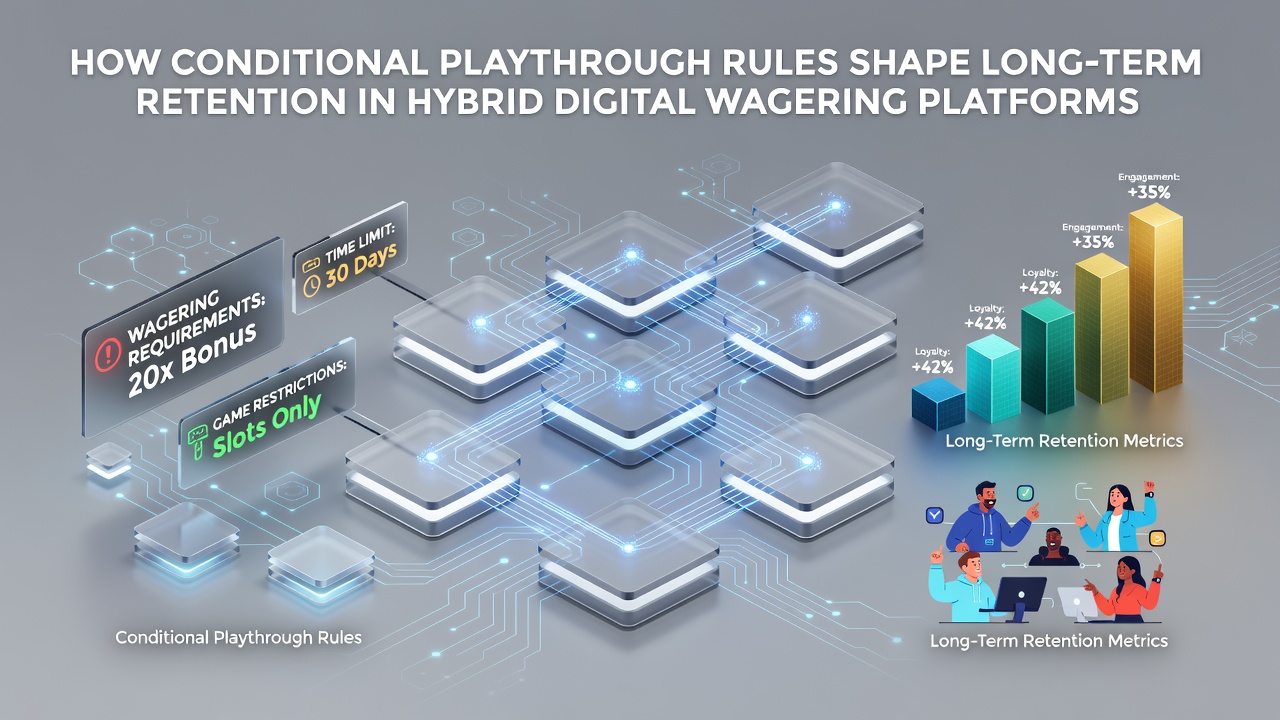
Conditional playthrough rules specify the exact wagering volume needed to unlock bonus value, frequently ranging from 10x to 40x depending on the promotion and jurisdiction. Researchers at academic institutions tracking operator data have documented how these thresholds interact with deposit patterns, where smaller initial bonuses paired with moderate multipliers correlate with higher completion rates over 30-day windows.
Operators in North American and European markets apply time limits alongside the multipliers, forcing activity within 7 to 30 days. This combination prevents indefinite holding of funds while directing players toward consistent logins, particularly when hybrid features allow seamless switching between live odds and table games.
Retention Patterns Linked to Multiplier Structures
Studies tracking user cohorts reveal that playthrough conditions set below 20x tend to produce longer active periods because users reach completion without excessive additional deposits. In contrast, higher thresholds push some participants toward increased volume in the short term, yet data indicates elevated churn once the requirement expires if no follow-up incentives appear.
June 2026 reports from the New Jersey Division of Gaming Enforcement highlighted shifts in hybrid platform metrics, where operators refined playthrough conditions to align with seasonal sports calendars. These adjustments coincided with measurable upticks in cross-vertical engagement, as users who cleared sports-focused requirements often continued into casino sections to meet remaining targets.
Regional Variations in Implementation
Regulatory frameworks shape how strictly these rules apply. Canadian provincial systems, such as those overseen by iGaming Ontario, require transparent disclosure of playthrough terms at signup, which correlates with steadier retention curves compared to less regulated environments. Australian state authorities similarly mandate clear communication of wagering requirements, and industry analyses show this transparency reduces early drop-off among new accounts.
One longitudinal review published through university research channels examined thousands of hybrid accounts and found that platforms offering tiered playthrough reductions for loyal users maintained activity levels 25 percent higher at the 90-day mark. The mechanism rewards repeat deposits by lowering subsequent multipliers, creating a feedback loop that sustains participation across both sports and casino offerings.
Interaction With Broader Incentive Layers
Conditional playthrough rules rarely operate in isolation. They intersect with reload bonuses, cashback offers, and VIP progressions, forming sequences where meeting one threshold unlocks eligibility for the next. Data compiled by the European Gaming and Betting Association indicates that operators who sequence these elements see extended platform tenure, because users perceive ongoing value rather than a single hurdle.
Platforms that allow partial progress to carry over between promotions further stabilize retention, as incomplete playthroughs from one month roll into the following cycle. This approach appears in several mature markets and aligns with observed patterns of reduced account dormancy during off-peak sports periods.
Conclusion
Conditional playthrough rules function as structural elements that guide user behavior across hybrid digital wagering platforms by balancing accessibility with sustained activity requirements. Evidence from regulatory reports and industry datasets demonstrates measurable effects on retention timelines, particularly when multipliers, time windows, and cross-vertical incentives receive coordinated design. As markets continue evolving through 2026, these mechanisms remain central to how operators maintain engagement in combined sports and casino environments.