Navigating Tier Migrations in App-Exclusive Loyalty Schemes Across UK-Regulated Digital Platforms
Written by Bianca Roth · Jun 18, 2026
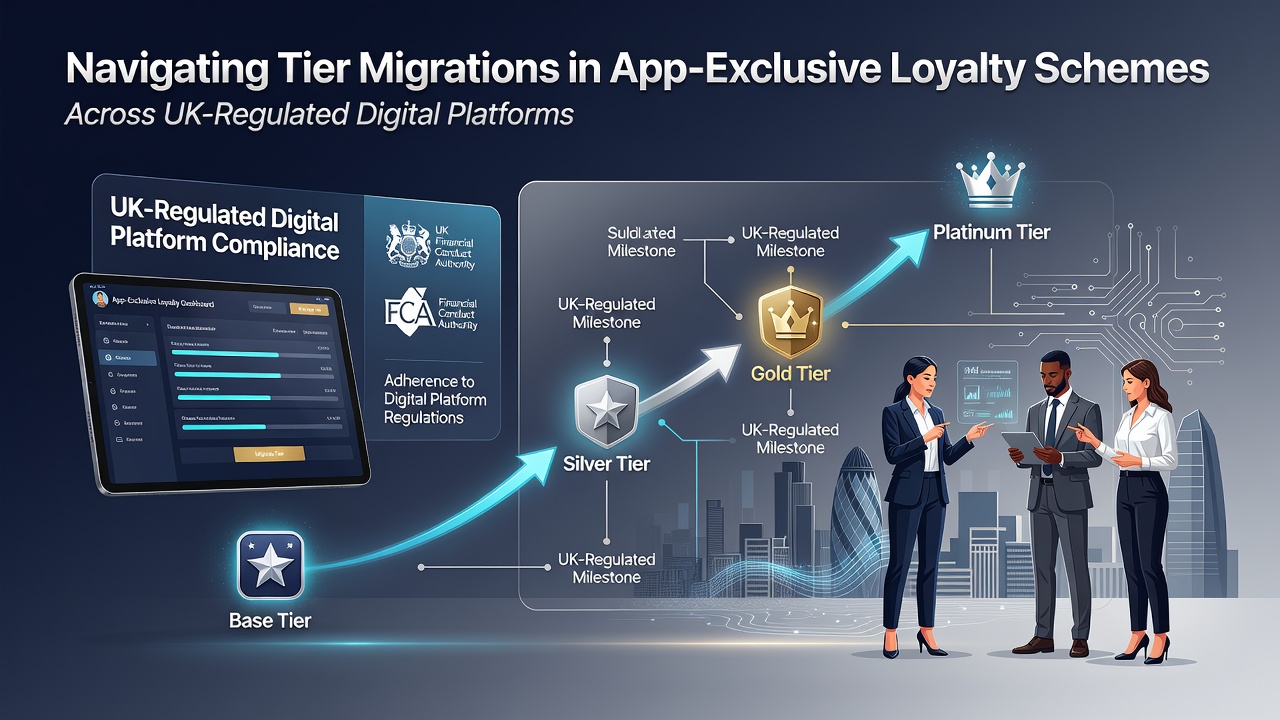
Navigating Tier Migrations in App-Exclusive Loyalty Schemes Across UK-Regulated Digital Platforms
Digital platforms operating under UK regulations have developed app-exclusive loyalty schemes that structure user engagement through multiple tiers, where participants advance by meeting activity thresholds tied to deposits, session frequency, and interaction metrics. These systems reward progression with benefits that scale in value, yet the mechanics of moving between levels demand users track conditions that differ across operators and update periodically based on platform policies.
Research from the University of Oxford's Internet Institute indicates that tier migrations often hinge on combinations of quantitative targets and time-bound requirements, creating pathways that users must monitor through in-app dashboards rather than external notifications. Observers note that successful navigation frequently involves aligning personal usage patterns with the specific criteria outlined in each scheme's terms, since abrupt changes in point calculations or eligibility windows can reset accumulated progress without advance alerts.
Core Components of Tier Structures
Entry-level tiers typically grant basic access such as standard reward rates and limited customization options, while mid-level placements unlock enhanced multipliers along with priority support channels. Higher tiers introduce exclusive features including personalized offers and accelerated redemption processes, yet reaching these stages requires sustained compliance with rules that platforms enforce uniformly through their mobile interfaces. Data compiled across multiple operators reveals that point accrual rates accelerate at certain thresholds, prompting users to adjust their engagement strategies mid-cycle to avoid stagnation.
What's interesting is how these structures integrate conditional bonuses that activate only after a user completes a migration, and this linkage encourages careful planning around promotional calendars released each quarter. Platforms publish detailed breakdowns of tier criteria within their apps, allowing participants to simulate potential progress before committing additional activity that might not yield immediate returns.
Processes for Advancing Between Levels
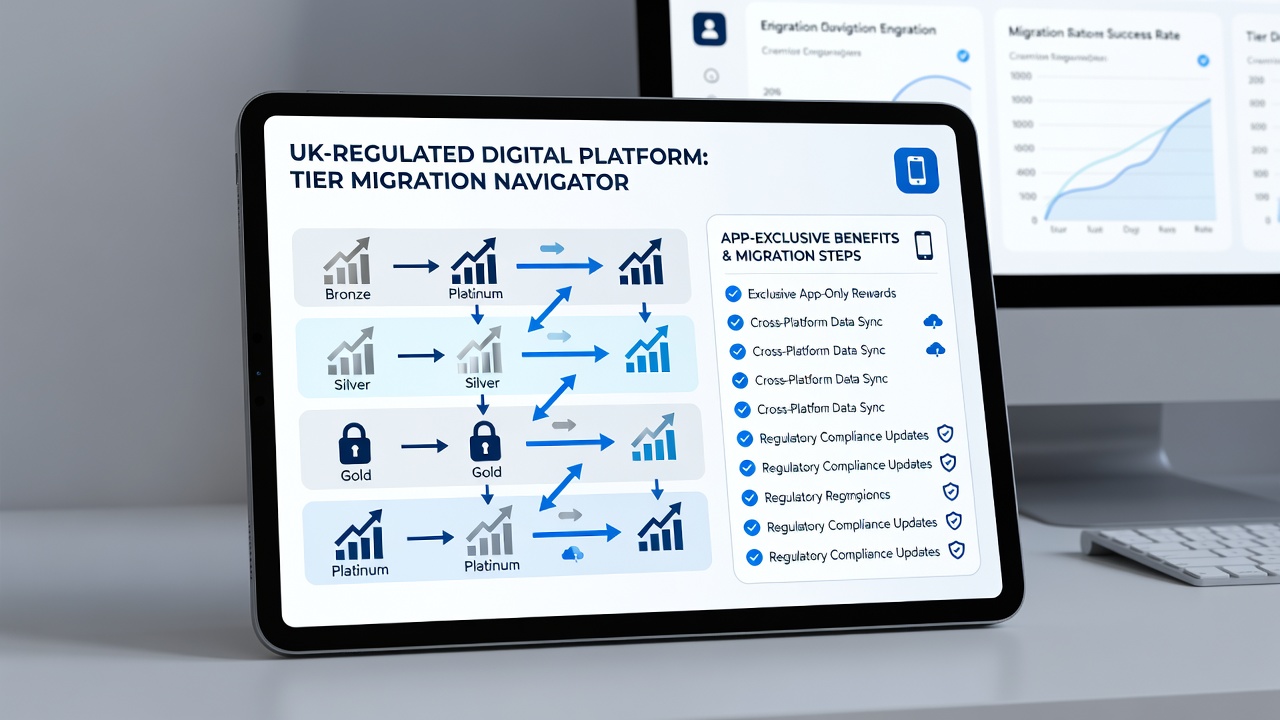
Migration requests usually trigger automated reviews once minimum requirements are logged in the system, though manual verification steps apply in cases involving high-value accounts or disputed activity logs. Users who monitor their metrics in real time through dedicated app sections often complete transitions faster than those relying on periodic summaries, since the latter group risks missing narrow windows for bonus applications. According to industry reports issued by the European Gaming and Betting Association, average advancement times vary from two to eight weeks depending on the tier gap and the volume of qualifying transactions recorded.
Platforms incorporate verification layers that cross-reference user data against regulatory standards, ensuring compliance remains intact throughout teh migration. Those who've studied retention patterns across these schemes find that transparent communication of status updates within the app interface reduces drop-off rates during the review period, while opaque processes correlate with higher abandonment before benefits activate.
Challenges in App-Only Environments
Exclusive reliance on mobile applications for loyalty management introduces friction points around data visibility and notification timing, particularly when users switch devices or encounter temporary connectivity issues. June 2026 figures from platform analytics providers show that migration success rates dipped during periods of app updates, as recalibrated algorithms temporarily altered point values before users could adjust their approaches. Operators address these issues through in-app tutorials and FAQ sections that detail common pitfalls, yet participants still report difficulties when legacy activity from previous months fails to carry over cleanly into new cycles.
Security protocols add another layer, requiring multi-factor confirmations for tier claims that involve substantial reward values, and this process can extend review durations beyond initial expectations. Researchers have documented cases where users who maintained consistent log-in patterns across multiple sessions navigated these steps more smoothly than infrequent participants, highlighting the role of habitual engagement in overcoming procedural hurdles.
Regulatory Influences on Scheme Design
UK regulations shape how operators structure their loyalty programs by mandating clear disclosure of terms and prohibiting misleading representations of potential benefits, which in turn affects how tier criteria are presented within apps. External oversight ensures that migration pathways remain accessible without undue barriers, prompting platforms to standardize certain elements like point expiration rules while retaining flexibility in reward offerings. Observers note that these constraints have led to greater emphasis on verifiable activity tracking, reducing disputes that previously arose from ambiguous eligibility standards.
Cross-platform comparisons indicate that schemes aligned with broader digital compliance frameworks tend to offer more predictable migration timelines, as standardized reporting requirements help users anticipate when thresholds will be evaluated. This alignment supports sustained participation by minimizing unexpected resets that can occur when regulatory updates prompt operators to revise their internal policies mid-year.
Conclusion
Effective navigation of tier migrations in these app-exclusive schemes depends on consistent monitoring of in-app metrics, timely responses to verification requests, and awareness of how regulatory guidelines influence program rules. Platforms continue refining their interfaces to streamline these processes, incorporating tools that project future eligibility based on current activity levels. As digital environments evolve, users who integrate these practices into their routines maintain clearer pathways toward higher tiers and associated advantages across UK-regulated platforms.