Mapping User Progression Through Layered Promotional Structures in Digital Wagering Ecosystems
Written by Zoe Bauer · May 30, 2026
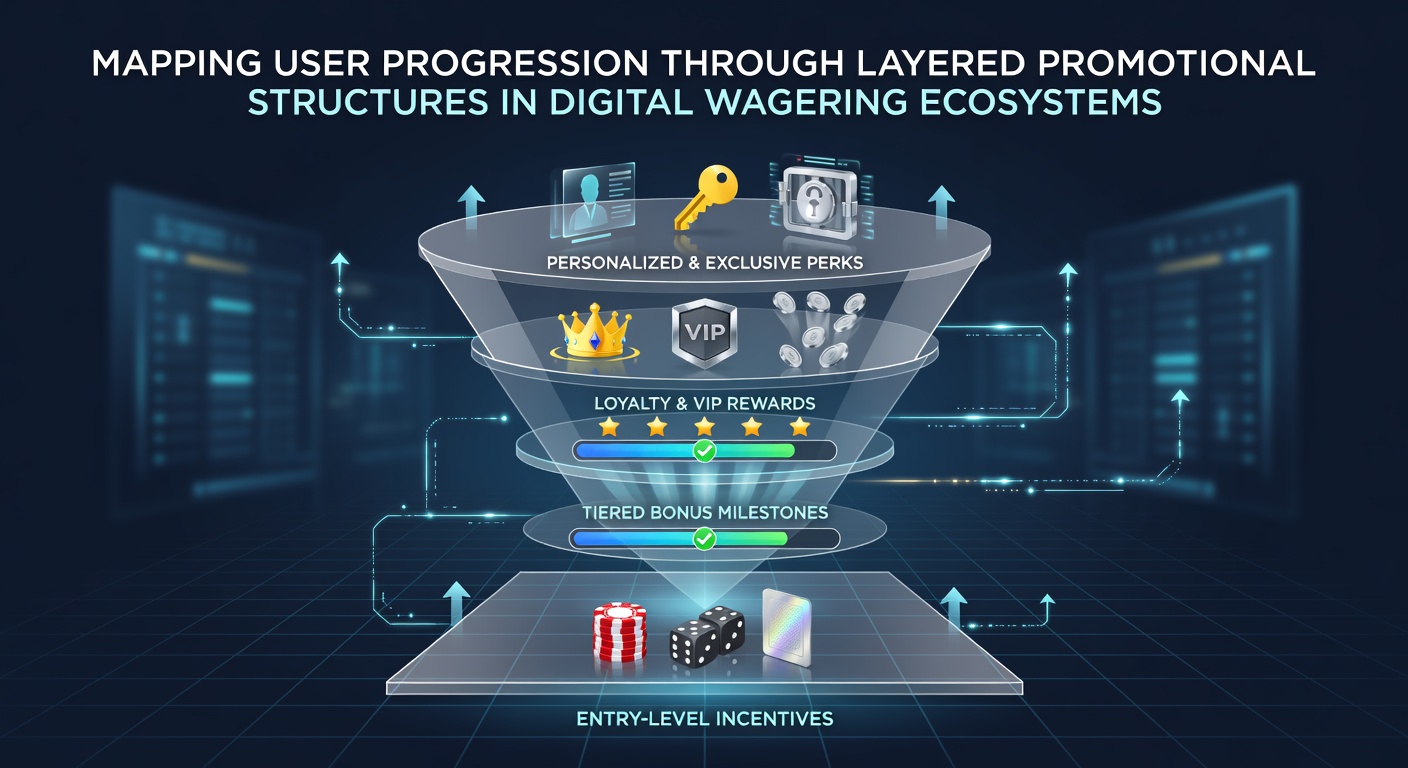
Mapping User Progression Through Layered Promotional Structures in Digital Wagering Ecosystems
Digital wagering platforms organize promotional structures in sequential layers that guide users from initial entry points toward sustained participation, and observers track these pathways through engagement metrics collected across regulated markets. Entry-level incentives often include free bets or matched deposits that introduce new accounts to core features, while subsequent stages introduce escalating rewards tied to deposit frequency and wager volume.
Platforms segment these layers into distinct phases where users advance based on cumulative activity rather than isolated actions, and data from multiple operators shows that progression rates vary by region and product mix. Researchers examining North American markets in early 2026 noted that hybrid sportsbook and casino environments accelerate movement between tiers when promotional credits combine across verticals.
Entry Mechanisms and Initial Engagement Layers
Users typically encounter the first promotional layer through registration bonuses that require minimal commitment, yet these offers embed conditions that steer activity toward qualifying wagers or deposit thresholds. Operators design these structures so that completion of basic tasks unlocks the next set of incentives, creating a mapped sequence visible in account dashboards.
Figures from industry reports indicate that completion rates for initial layers reach higher percentages when platforms display clear progress indicators, and analysts attribute this pattern to reduced friction in understanding requirements. In May 2026 several major platforms updated their interfaces to highlight remaining steps toward tier advancement, reflecting observed user behavior patterns documented in internal analytics.
Intermediate Reward Structures and Behavioral Triggers
Once users pass the entry phase they encounter reload offers, cashback programs, and loyalty points that accumulate across multiple sessions, and these mechanisms encourage consistent return visits rather than one-time engagement. Platforms calibrate the difficulty of advancement so that intermediate layers demand increased deposit amounts or specific product usage, such as live betting or slot play.
What's interesting is how these triggers interact with user segmentation models that categorize participants by risk profile and historical spend, allowing operators to tailor the next promotional layer accordingly. External data from the American Gaming Association illustrates that retention improves when intermediate rewards align with observed preferences across different demographic groups.
Advanced Tiers and Cross-Platform Integration
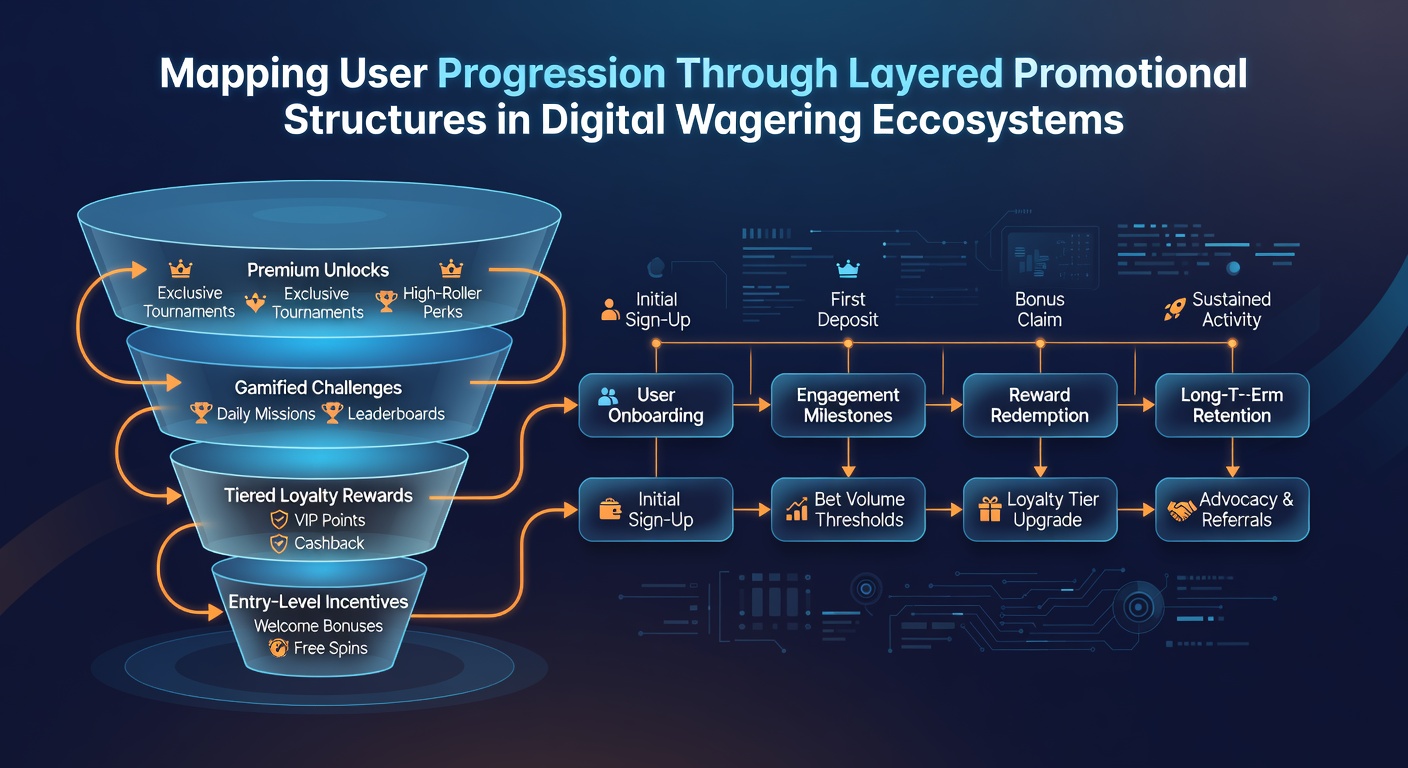
Higher layers introduce VIP programs featuring personalized account management, exclusive event access, and accelerated withdrawal processing, while progression into these stages depends on sustained metrics tracked over weeks or months. Operators maintain transparency around qualification criteria through dedicated portals that display current standings and upcoming milestones.
Studies conducted by academic institutions in Australia reveal that cross-border users often navigate layered structures differently when regulatory frameworks permit transfers between affiliated platforms, and this integration creates longer progression chains. In regulated Canadian provinces, operators apply similar mapping techniques but adjust layer thresholds to comply with provincial gaming authorities.
Platforms also incorporate time-limited campaigns that overlay existing structures, giving users temporary boosts that can accelerate advancement during peak periods such as major sporting events. Data collected through May 2026 shows these overlays produce measurable spikes in tier movement without altering baseline progression rules.
Measurement Tools and Progression Analytics
Operators employ detailed tracking systems that log each promotional interaction and conversion point, enabling precise mapping of user journeys through the layered ecosystem. These systems generate reports that identify drop-off points where users stall between layers, prompting adjustments to incentive design.
Research institutions analyzing European markets have documented how A/B testing of layer requirements influences overall progression velocity, and results feed into iterative refinements applied across multiple jurisdictions. Observers note that successful mapping depends on balancing visibility of future rewards against the cognitive load placed on users at each stage.
Conclusion
Layered promotional structures in digital wagering ecosystems function as sequenced pathways that convert initial curiosity into ongoing platform engagement through carefully calibrated reward increments. Mapping these progressions requires continuous analysis of behavioral data collected across regions and product types, with adjustments made in response to regulatory shifts and user patterns observed through 2026. Platforms that maintain clear visibility into each layer while aligning incentives with documented preferences sustain higher advancement rates over extended periods.