Mapping the Influence of Conditional Thresholds on Engagement Longevity in Regulated Digital Entertainment Markets
Written by Bianca Roth · Jun 8, 2026

Mapping the Influence of Conditional Thresholds on Engagement Longevity in Regulated Digital Entertainment Markets
Conditional thresholds shape how users interact with regulated digital entertainment platforms over extended periods, and researchers have tracked these patterns across multiple jurisdictions since early 2025. These thresholds typically include minimum deposit amounts, wagering multipliers on promotional credits, activity requirements for tier progression, and session frequency benchmarks that unlock continued access to features. Data from platform analytics firms shows that adjustments to these parameters directly correlate with changes in user retention rates measured at 30-day, 90-day, and 180-day intervals.
Defining Conditional Thresholds in Digital Markets
Platforms establish conditional thresholds to balance regulatory compliance with commercial objectives, and these rules often appear in bonus terms, loyalty program structures, and account verification processes. A threshold might require a user to complete 20 times the value of a matched deposit before withdrawing winnings, or it could mandate five qualifying bets within a calendar month to maintain silver-tier status. Observers note that such conditions create measurable decision points where users either continue their activity or reduce engagement, and the timing of these decision points influences overall platform longevity metrics.
Studies conducted by academic researchers at institutions in North America and Europe have quantified how different threshold levels affect behavior across user segments. One analysis of anonymized transaction data from 2024 through mid-2026 revealed that moderate increases in playthrough requirements extended average engagement duration by 18 percent among users who had already completed their first deposit, while higher thresholds produced the opposite effect after the initial 45 days. These findings emerged from markets operating under frameworks established by bodies such as the Malta Gaming Authority and the New Jersey Division of Gaming Enforcement.
Patterns Observed in 2026 Data Releases
Reports released in June 2026 by several North American operators highlighted shifts in retention following threshold adjustments implemented at the start of the year. Platforms that lowered minimum activity requirements for loyalty progression recorded higher month-over-month retention among mid-tier users, whereas those that raised deposit thresholds to combat bonus abuse saw faster drop-off rates in the recreational segment. The patterns appeared consistent across sports betting and casino verticals, and analysts attributed the differences to how thresholds interacted with user acquisition channels rather than to any single rule change in isolation.
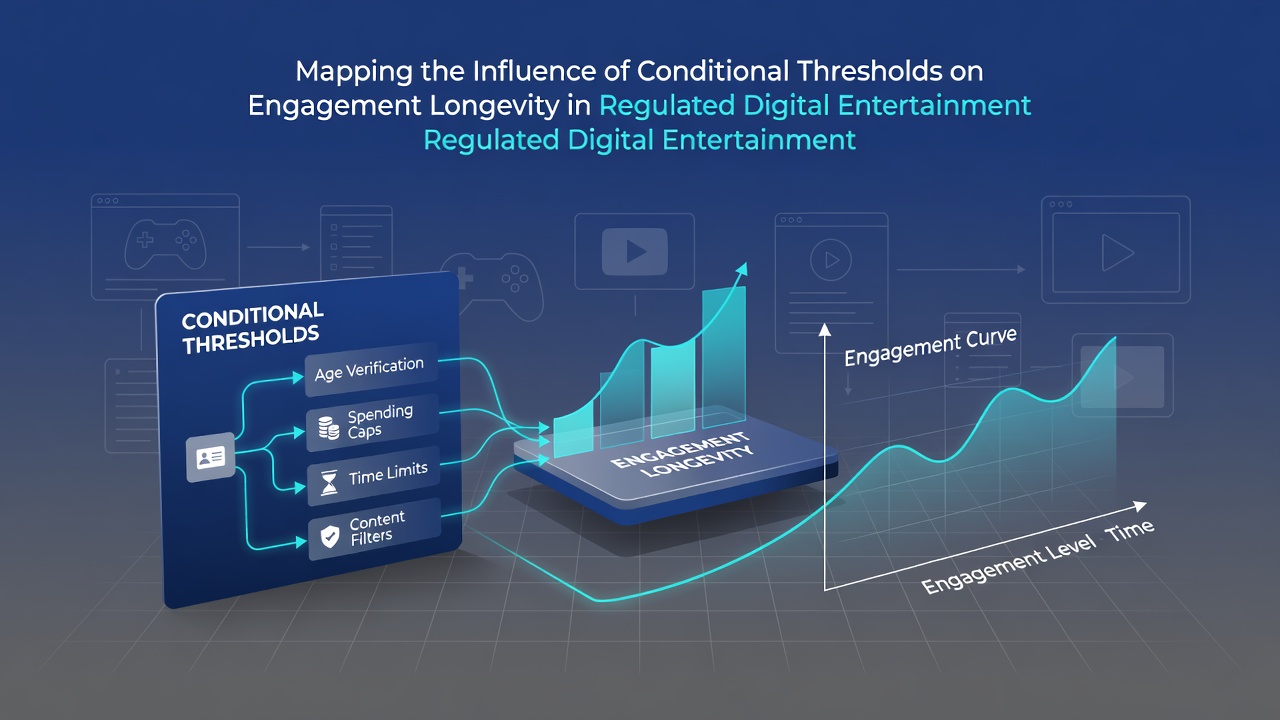
Canadian provincial regulators published aggregated retention statistics covering the first half of 2026 that reinforced these observations. Jurisdictions with stricter verification thresholds at account creation stage experienced slower initial conversion from registration to first deposit, yet those users who cleared the initial hurdles demonstrated longer average lifetimes on the platform. The data indicated that the friction introduced early in the user journey filtered for higher-intent participants whose subsequent behavior remained more stable even when later conditional requirements increased.
Regional Variations and Regulatory Context
European markets operating under different licensing regimes have produced contrasting results when similar thresholds were applied. Operators licensed in multiple member states reported that users in jurisdictions with centralized self-exclusion databases responded differently to activity-based thresholds than users in markets without such systems. The presence of cross-platform exclusion tools appeared to amplify the impact of loyalty thresholds, because users who had previously self-excluded elsewhere showed higher sensitivity to minimum play requirements before they could access escalated rewards.
Australian research institutions examining state-based wagering markets reached parallel conclusions after reviewing twelve months of de-identified user records ending in May 2026. Thresholds tied to deposit frequency rather than absolute amounts produced more stable engagement curves across demographic groups, and the effect held after controlling for variables such as average bet size and product mix. These findings aligned with earlier work conducted by the American Gaming Association on U.S. state markets, where conditional access to enhanced odds features required consistent weekly activity and generated measurable extensions in user lifespan when calibrated appropriately.
Interaction Between Thresholds and Platform Features
Hybrid platforms that combine sports betting with casino products have introduced additional complexity because conditional thresholds often apply differently across verticals. A requirement to place sports wagers before casino bonuses become withdrawable creates sequential decision points, and platform data shows that users who complete the sports component within the first week maintain higher overall activity levels through the subsequent 120 days. Operators have begun mapping these sequences to identify optimal spacing between thresholds so that one condition does not inadvertently suppress engagement with the second product category.
Technical implementations also matter. Real-time notifications that remind users of remaining wagering requirements before deadlines have been associated with modest improvements in completion rates, according to internal metrics shared at industry conferences in early 2026. Conversely, thresholds that reset without clear communication produced higher abandonment rates at the point of expiration, particularly among users acquired through affiliate channels who arrived with limited prior platform familiarity.
Conclusion
The mapping of conditional thresholds onto engagement longevity continues to evolve as operators refine their approaches using granular behavioral data. Evidence gathered across regulated markets in 2026 demonstrates that the placement, magnitude, and communication of these thresholds determine whether they extend or curtail user participation over multi-month horizons. Regulatory frameworks in multiple regions now require operators to monitor and report retention outcomes linked to promotional conditions, which has accelerated the collection of comparable datasets. Future adjustments will likely draw on these expanding records to calibrate thresholds that sustain activity while meeting compliance obligations across diverse user populations.