Mapping Interconnected Reward Pathways and Their Effects on Engagement in European Digital Gambling Sectors
Written by Vera Russell · Aug 1, 2026
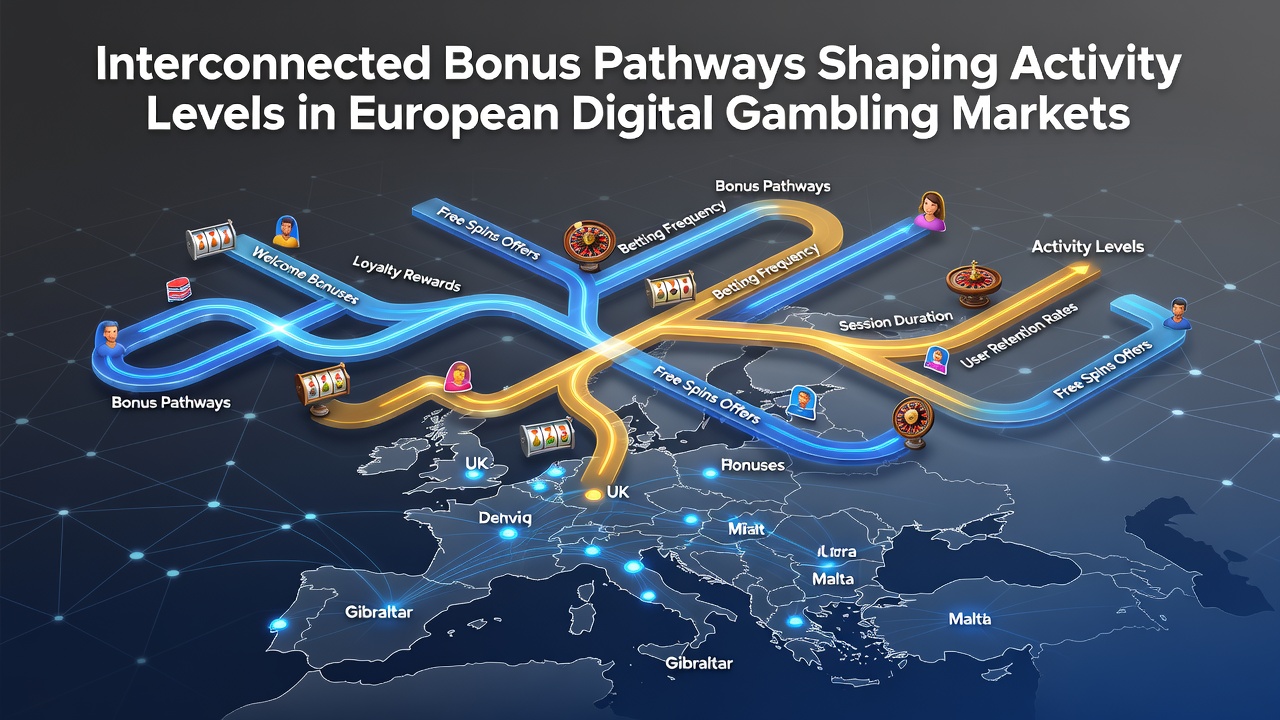
Mapping Interconnected Reward Pathways and Their Effects on Engagement in European Digital Gambling Sectors
European digital gambling markets have developed complex networks of promotional incentives that connect initial offers with ongoing rewards, and these structures continue to influence user participation patterns through 2026. Data from regulatory filings and industry analyses show that operators in countries such as Germany, Sweden, and the Netherlands have integrated bonus sequences where entry-level promotions feed directly into deposit matches, loyalty tiers, and hybrid platform features.
Structure of Linked Incentive Systems
Operators design these pathways so that users who start with stake-free entries often progress to matched deposits and then to VIP escalations when they meet specified thresholds, and this progression has been tracked across multiple jurisdictions. Reports from the European Gaming and Betting Association indicate that such chaining increased average session durations by measurable margins in several markets during the first half of 2026.
Research from academic groups at universities in the Netherlands and Germany has examined how these sequences operate in practice, and findings reveal that platforms combining sportsbook and casino elements see higher retention when reload incentives align with VIP qualification criteria. One study tracked cohorts of new registrants and found that participants who moved through at least three linked promotions demonstrated sustained activity over subsequent months compared with those who engaged with isolated offers.
Regional Variations Across the Continent
Markets differ in how strictly they regulate bonus mechanics, yet interconnected pathways appear consistently in licensed environments. In Sweden the national framework requires clear disclosure of wagering requirements, while German state-level rules emphasize limits on bonus frequency, and both approaches still permit operators to build sequential reward routes that guide users from initial engagement toward longer-term platform use.
Figures released in August 2026 by monitoring bodies in the Benelux region showed that platforms employing layered deposit structures recorded steadier month-over-month activity levels than those relying on single-offer campaigns. Observers note that these patterns hold across desktop and mobile channels, although mobile applications tend to surface VIP escalations more prominently after users complete early-stage requirements.
Data on Activity and Retention Metrics
Industry reports compiled by research firms covering continental Europe document that interconnected bonuses correlate with shifts in user behavior, including increased frequency of deposits and cross-product exploration. A joint analysis by institutions in France and Belgium examined anonymized transaction data and found that users who qualified for subsequent rewards after meeting conditional thresholds returned to the platform at higher rates over a six-month window.
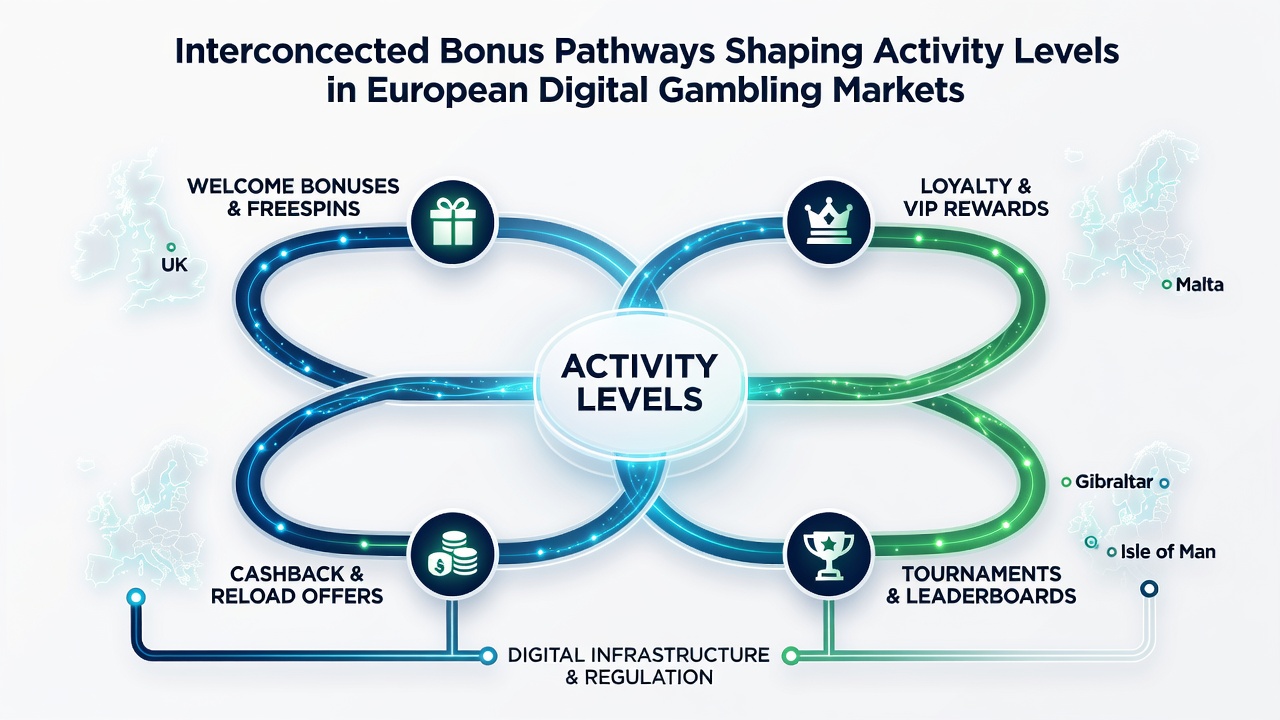
What's notable is that these effects appear across both established operators and newer entrants, and the consistency suggests structural design rather than brand-specific factors drives the outcomes. Data indicates that platforms offering hybrid rewards, where sportsbook promotions connect to casino reloads, experienced measurable lifts in overall handle during the summer tournament period leading into August 2026.
Regulatory Context and Compliance Patterns
European regulators have focused on transparency around bonus terms, and operators have responded by publishing clearer progression maps that outline how one incentive leads to the next. The Malta Gaming Authority and its counterparts in other EU states have issued guidance requiring that promotional pathways remain verifiable, and compliance reports from 2026 show widespread adoption of these standards without eliminating the interconnected structures themselves.
Analyses from trade organizations covering multiple member states confirm that users who follow these documented routes often reach higher activity thresholds, while platforms maintain adherence to responsible gambling protocols. External audits continue to verify that the systems do not obscure requirements, and this balance has allowed the pathways to persist as standard features in regulated environments.
Conclusion
Interconnected bonus pathways have become embedded features of European digital gambling markets, and available data through August 2026 demonstrates their association with sustained user activity across jurisdictions. Researchers continue to examine these systems through cohort studies and transaction analyses, while regulators maintain oversight focused on disclosure rather than prohibition. The patterns observed in Germany, Sweden, the Netherlands, and neighboring markets indicate that sequential reward designs influence participation metrics in measurable ways, and operators adjust these structures in response to both user behavior data and evolving compliance expectations.