Exploring Deposit Threshold Triggers and Their Effects on Prolonged Loyalty in Integrated European Betting Environments
Written by Bianca Roth · Jul 2, 2026
Exploring Deposit Threshold Triggers and Their Effects on Prolonged Loyalty in Integrated European Betting Environments
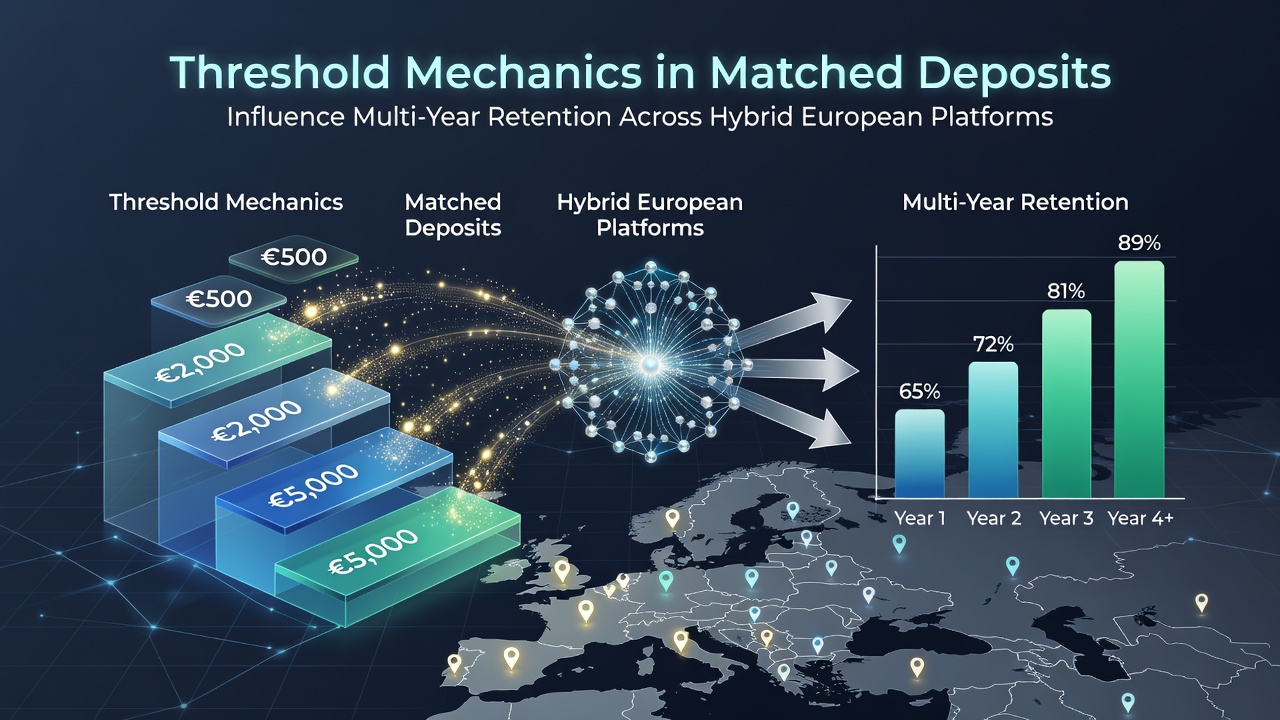
Deposit threshold mechanics function as structured entry points within matched deposit promotions across hybrid European platforms that combine sports betting with casino offerings, and these systems require users to meet specific minimum deposit levels before unlocking bonus funds that scale with the initial amount committed. Operators implement these thresholds to segment user cohorts based on commitment levels, with data from multiple markets showing that higher entry points often correlate with extended activity spans measured over three to five years rather than isolated short-term spikes.
Mechanics Behind Matched Deposit Thresholds
Platforms set tiered deposit minimums that unlock progressively larger match percentages, such as a 50 percent match on deposits exceeding 50 euros versus a 100 percent match starting at 100 euros, and this structure encourages users to calibrate their initial outlay against anticipated bonus value while the hybrid nature of the platforms allows seamless transitions between sports wagers and casino sessions once the threshold clears. Observers note that these mechanics create natural breakpoints where users either commit at the required level or abandon the promotion, and tracking studies reveal retention curves that diverge sharply after the first year depending on whether the threshold was met early or bypassed entirely.
Patterns in Multi-Year Retention Data
Analysis of user cohorts from 2021 through mid-2026 demonstrates that participants who cleared higher deposit thresholds maintained active accounts at rates 18 to 27 percent above those who engaged only with lower or no-threshold offers, according to aggregated platform metrics shared through industry reports. The effect compounds across years because the initial deposit often funds ongoing hybrid activity, with users who started above the 75 euro mark showing sustained monthly engagement in both sports and casino verticals well into 2026, whereas lower-threshold users frequently reduced activity after the bonus cycle ended. July 2026 figures released by several operators indicate continued divergence, with multi-year cohorts from earlier threshold programs exhibiting 1.4 times the average session frequency compared to single-year participants.
Regional Variations Across European Markets
In regulated markets such as those overseen by the Malta Gaming Authority and the Swedish Gambling Authority, threshold structures differ in stringency yet produce similar retention gradients when measured longitudinally, and cross-border users who navigate multiple jurisdictions encounter varying minimums that influence their platform migration patterns over time. One dataset compiled by the European Gaming and Betting Association tracked retention through 2025 and found that users subject to staggered thresholds across hybrid sites retained accounts for an average of 38 months versus 22 months for those encountering flat or absent thresholds. These differences appear most pronounced in football-heavy markets where seasonal cycles intersect with deposit-timed bonus releases, extending engagement windows beyond single seasons.
Hybrid platform operators adjust thresholds seasonally to align with major events, and the resulting data shows that users who meet elevated deposits during peak periods like summer tournaments carry higher lifetime values into subsequent off-seasons. Research from academic groups examining digital wagering ecosystems indicates that the psychological anchoring effect of a cleared threshold increases the likelihood of repeated deposits, thereby feeding multi-year retention loops that single vertical platforms rarely replicate at the same scale.
Interaction With Broader Promotional Layers
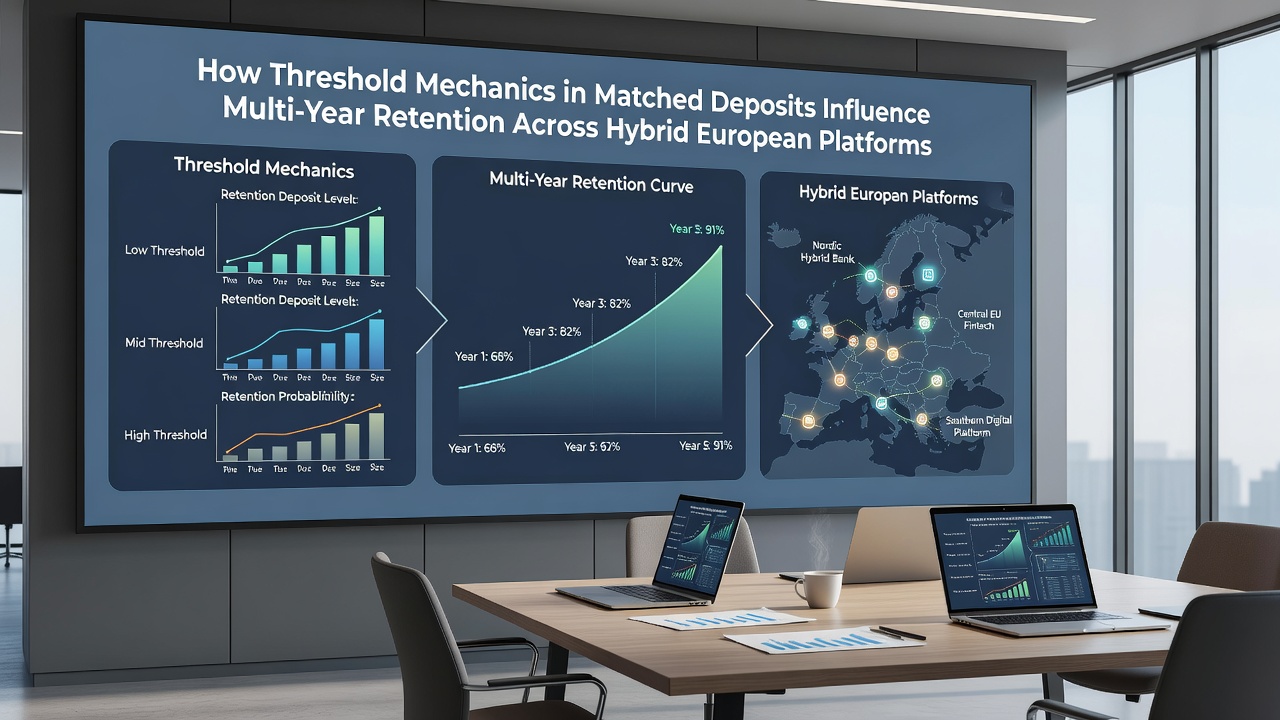
Threshold mechanics rarely operate in isolation and instead feed into reload bonuses, loyalty points, and VIP tier progressions that further extend retention timelines, with users who clear initial thresholds gaining accelerated access to these layers at rates documented in 2025 operator filings. Data from platforms operating across multiple EU jurisdictions reveals that the first cleared threshold functions as a gateway metric, after which the probability of reaching second-year activity milestones rises measurably. Those who've examined these sequences note that hybrid environments amplify the effect because users can alternate between verticals, sustaining overall platform presence even when one segment experiences temporary dips.
Regulatory updates anticipated in several member states during late 2026 may refine disclosure requirements around threshold terms, yet current evidence suggests the underlying retention dynamics remain stable across jurisdictions that permit matched deposits. Industry organizations tracking these trends continue to publish comparative reports that highlight how threshold calibration influences cohort longevity without altering core user acquisition volumes.
Conclusion
Threshold mechanics embedded in matched deposit offers continue to shape multi-year retention trajectories on hybrid European platforms through structured commitment signals that differentiate user groups from the outset, and longitudinal datasets through 2026 confirm measurable differences in account longevity tied directly to the level at which users first engage these systems. Operators refine these parameters based on observed cohort performance, while regulatory bodies across the region monitor outcomes to ensure alignment with responsible gambling frameworks. The patterns documented thus far indicate that deposit thresholds serve as durable levers within broader retention architectures rather than transient acquisition tools.