Decoding Chained Incentive Sequences That Link Initial Stake-Free Entries to Sustained Hybrid Platform Retention Across Asian Digital Markets
Written by Lars Ludwig · Jun 4, 2026
Decoding Chained Incentive Sequences That Link Initial Stake-Free Entries to Sustained Hybrid Platform Retention Across Asian Digital Markets
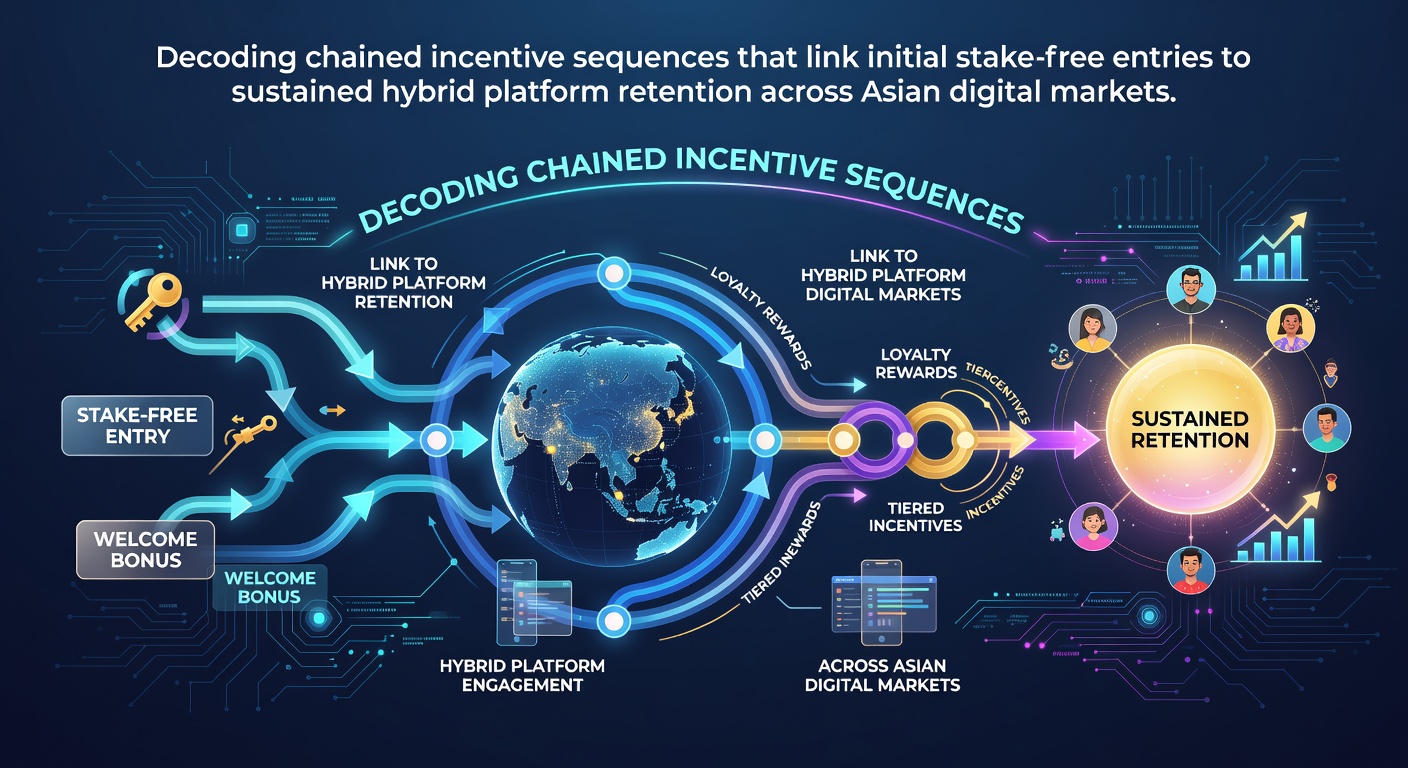
Digital wagering platforms across Asia have developed intricate sequences where stake-free starting offers transition into layered reward structures that maintain user activity over extended periods, and these patterns appear most clearly in hybrid environments combining sports betting with casino-style games. Markets in Singapore, the Philippines, Malaysia, and Japan demonstrate how operators build progression systems that begin with no-deposit bonuses or free bet credits then escalate through deposit matches, loyalty tiers, and cross-product incentives designed to keep participants engaged on both sides of the platform.
Initial Entry Points and Their Role in Sequence Formation
Stake-free entries typically arrive as free credits, risk-free wagers, or limited-time spins that require no upfront funds, yet they carry built-in conditions such as minimum odds thresholds or game-type restrictions that guide users toward specific platform sections. Research from the National University of Singapore indicates these entry mechanisms function as gateways because completion requirements often involve small deposit actions that unlock the next tier of rewards, creating a natural bridge between zero-commitment starts and ongoing participation. Data released in June 2026 by regional analytics groups showed that platforms operating in Southeast Asia recorded higher conversion rates when initial offers included both sports and casino elements, allowing users to sample hybrid features without immediate financial barriers.
Progression Through Layered Rewards and Hybrid Retention
Once users complete the first stage, operators activate matched funds, boosted odds on selected events, and reload bonuses that favor repeated activity across multiple product categories. These sequences rely on time-bound triggers and tiered loyalty points that accumulate faster when players engage with both sportsbooks and casino lobbies, and the design encourages movement between verticals rather than concentration in a single area. Observers note that retention metrics improve when sequences incorporate cross-promotions, such as casino winnings convertible into sports bonus credits or vice versa, because the flexibility reduces the chance of users disengaging after exhausting one type of reward. Philippine Amusement and Gaming Corporation licensing reports from early 2026 highlighted that operators with integrated progression ladders maintained steadier monthly active user counts compared with those offering isolated product promotions.

Hybrid retention benefits further from automated milestone tracking that notifies users of upcoming rewards when they reach defined activity thresholds, and these notifications often reference both sports event calendars and casino tournament schedules to maintain visibility across the platform. Sequences frequently include VIP escalations where accumulated points from either vertical contribute to status upgrades, and higher tiers unlock personalized offers that blend deposit bonuses with event-specific perks. Markets with stricter regulatory oversight, such as Japan’s integrated resort framework, show slower but more stable adoption of these chains because compliance rules limit promotional frequency and require clear disclosure of terms at each stage.
Regional Variations in Sequence Design and Market Response
Operators adjust sequence length and reward density according to local regulations and user behavior patterns observed in each territory. In markets where mobile penetration exceeds ninety percent, sequences lean heavily on push notifications and in-app progress bars that update in real time, whereas desktop-dominant regions favor email summaries and account dashboard highlights. June 2026 figures from industry monitoring services revealed that sequences spanning four to six weeks produced the strongest retention curves in Malaysia and Indonesia, while shorter three-week cycles performed better in Singapore due to tighter spending caps. The common thread remains the emphasis on gradual escalation that rewards consistent hybrid usage rather than isolated spikes in one product area.
Measurement of Sustained Engagement Outcomes
Platforms track retention through metrics such as repeat deposit frequency, average session duration across verticals, and time between first free entry and subsequent paid activity. Studies conducted by regional research institutions show that users who complete at least three stages of a chained sequence demonstrate measurably longer platform lifespans than those who stop after the initial offer. Hybrid models gain an additional advantage because activity in one vertical can subsidize engagement in the other during periods of lower interest, smoothing out natural fluctuations in user attention. Regulatory bodies in licensed jurisdictions require operators to publish clear terms that prevent sequences from extending indefinitely without fresh user consent, and this transparency requirement shapes how far operators can stretch reward ladders before resetting or concluding the chain.
Conclusion
Chained incentive sequences in Asian digital markets operate as structured pathways that convert initial stake-free entries into sustained hybrid platform activity through progressive rewards, cross-product triggers, and tiered loyalty mechanics. Evidence from regulatory reports and academic analyses confirms that these systems function most effectively when they balance regulatory compliance with flexible movement between sports and casino offerings, producing measurable retention gains across diverse territories. Continued monitoring of June 2026 trends and subsequent data releases will clarify how operators refine these sequences in response to evolving user patterns and policy adjustments.