Charting Sequential Reward Pathways From Zero-Stake Entries to Sustained Hybrid Platform Engagement in Regulated Markets
Written by Zoe Bauer · May 18, 2026
Charting Sequential Reward Pathways From Zero-Stake Entries to Sustained Hybrid Platform Engagement in Regulated Markets
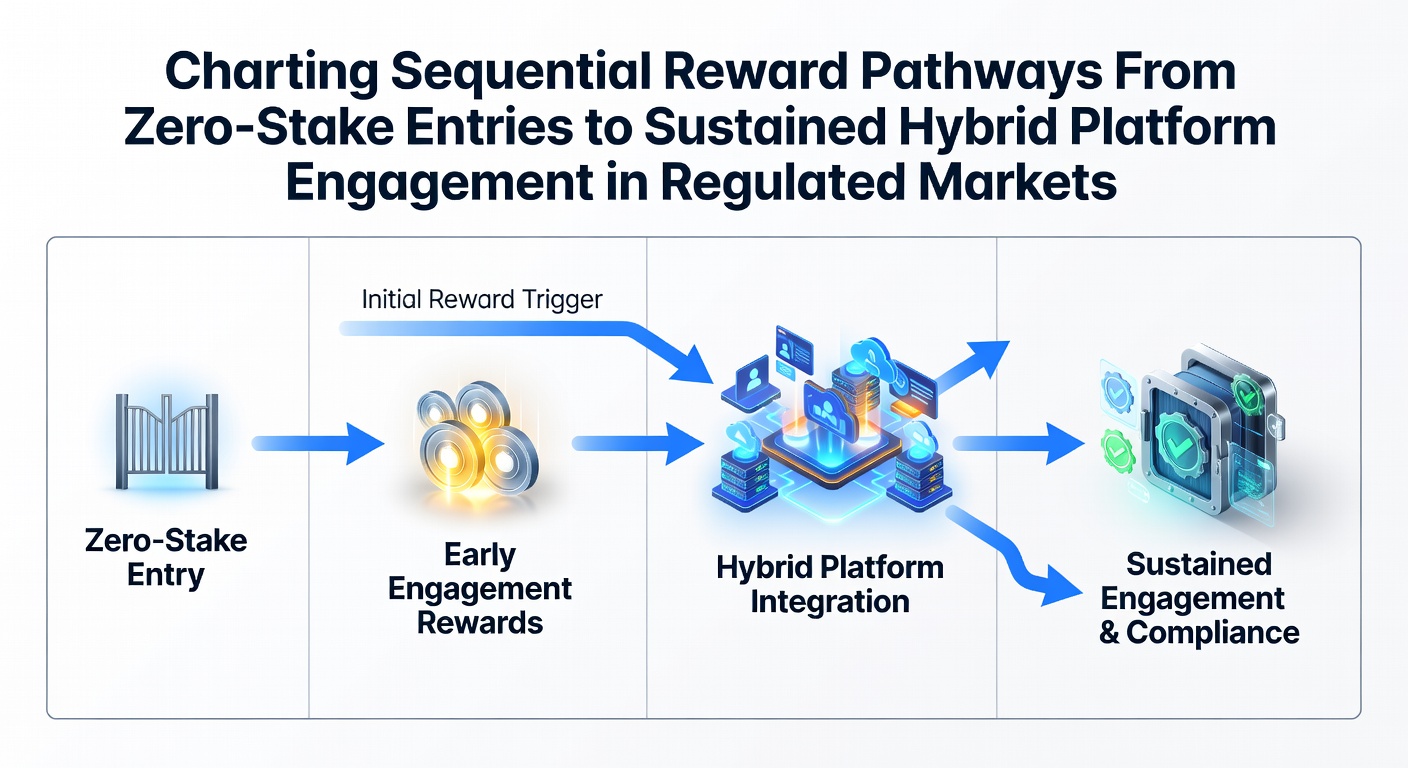
Sequential reward pathways in regulated markets begin with zero-stake entries that require no initial financial commitment from participants, and data from multiple jurisdictions shows these mechanisms serve as structured entry points that lead users toward sustained activity across sportsbooks and casino offerings on the same platform. Observers note that operators in states like New Jersey and Pennsylvania track these progressions through detailed user analytics, where initial free bets or matched deposits convert into regular engagement patterns without violating local compliance rules.
Zero-Stake Entry Mechanisms Across Jurisdictions
Zero-stake entries typically include no-deposit bonuses, risk-free wagers, and introductory casino credits that appear in promotional calendars during periods of market expansion. Research indicates that in May 2026 these offers continue to appear in regulated US markets as operators respond to seasonal sports calendars and new state launches, while similar structures operate under oversight from bodies such as the Alcohol and Gaming Commission of Ontario. Those who study retention metrics find that users who redeem these entries show higher rates of subsequent platform logins compared with cold-start accounts, because the absence of upfront cost lowers the barrier to first interaction.
Platforms integrate these entries with clear terms that specify wagering requirements and expiry windows, which helps maintain regulatory compliance while still guiding participants along defined reward ladders. Figures from industry reports reveal that hybrid sites combine sportsbook and casino verticals so that progress earned in one area can unlock features in the other, creating a single account journey rather than separate silos.
Progression From Entry to Deposit and Recurring Play
After the initial zero-stake interaction, operators deploy tiered incentives that encourage the first deposit and then repeated activity. The sequence often moves through deposit-match offers, cashback on losses, and loyalty points that accumulate across both betting and gaming products. What's interesting is how data shows these steps reduce churn when the platform presents them as a continuous path rather than isolated promotions, and participants who complete early milestones frequently increase session frequency within the first thirty days.
Take one tracked cohort in a mature European market where authorities require transparent reporting of player progression. Those who started with free spins later transitioned to combined sportsbook and live-dealer sessions once loyalty tiers granted access to exclusive events. The pattern holds because the hybrid design allows points earned from sports wagers to offset casino play requirements and vice versa, which keeps activity distributed rather than concentrated in a single vertical.
Hybrid Platform Features That Support Sustained Engagement
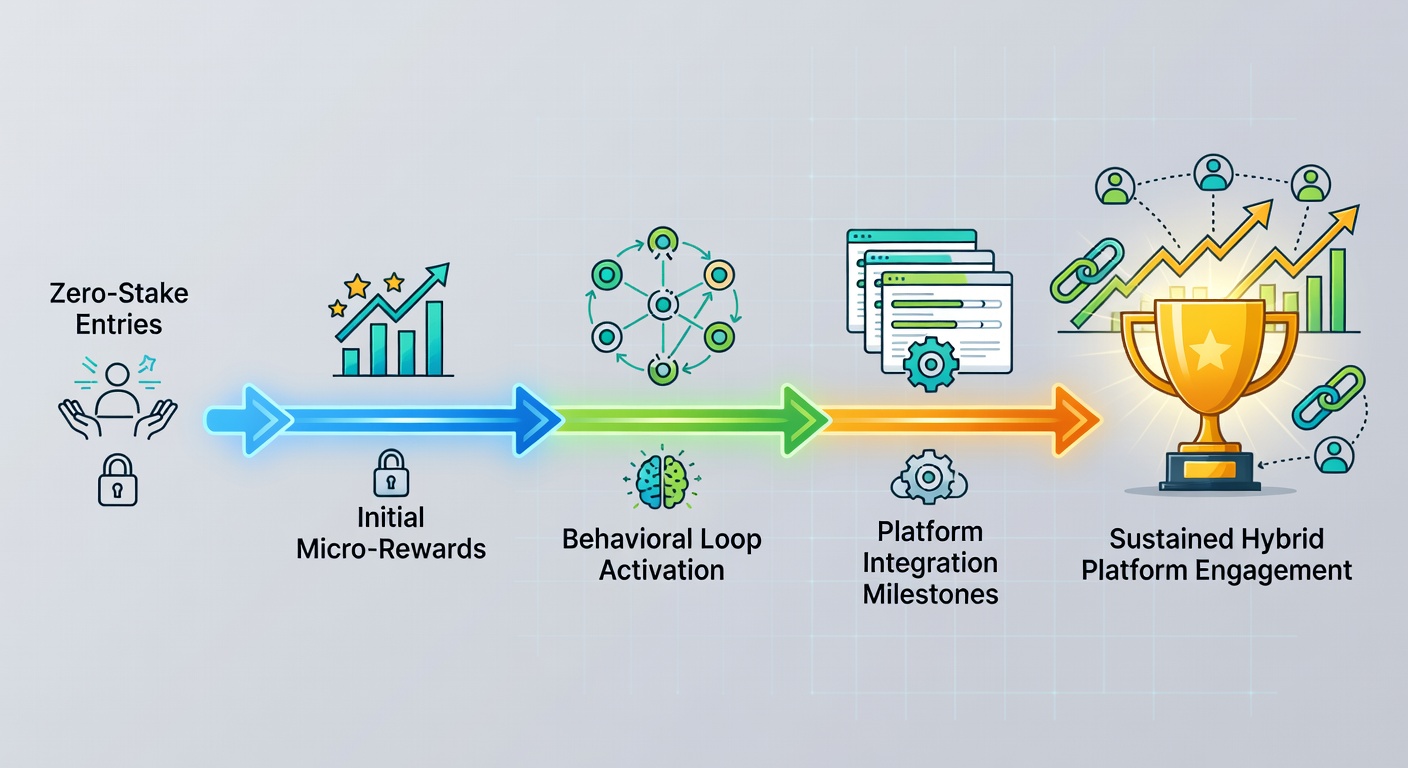
Hybrid platforms maintain engagement by synchronizing reward ledgers so that activity in either vertical contributes to the same loyalty balance. This structure appears in markets regulated by the Victorian Commission for Gambling and Liquor Regulation in Australia, where operators must demonstrate responsible-gaming safeguards while still offering cross-product progression. Evidence suggests that users who engage with both verticals within the same week display longer lifetime value because the variety of options reduces fatigue from repetitive play in one format only.
Real-time dashboards display progress toward the next tier, and automated notifications highlight opportunities that align with recent activity. For instance, a user who places a sports wager may receive a prompt for casino free spins that carries the same loyalty multiplier, keeping momentum across product lines. Regulatory frameworks in these jurisdictions require clear disclosure of all terms, which operators meet through standardized templates that appear before any reward is claimed.
Data Patterns Observed in Mid-2026
As of May 2026, aggregated reports from North American and Australian operators indicate that pathways originating from zero-stake entries maintain conversion rates above industry baselines for accounts opened in the preceding twelve months. The figures reveal stronger retention when hybrid functionality allows seamless movement between live betting markets and slot or table game sessions without requiring separate wallets or logins. Those who examine cohort studies note that geographic differences appear in how quickly users advance through tiers, with North American markets showing faster movement tied to major league seasons and Australian markets reflecting steadier year-round patterns.
Compliance teams monitor these sequences to ensure offers do not target vulnerable groups and that self-exclusion tools remain accessible at every stage. Industry associations such as the American Gaming Association compile anonymized datasets that help regulators evaluate whether sequential incentives produce balanced play across the user base.
Conclusion
Sequential reward pathways that start with zero-stake entries and develop into sustained hybrid engagement follow measurable patterns shaped by regulatory requirements and platform design choices. Data from multiple regions continues to document how initial free interactions convert into recurring activity when operators link sportsbook and casino rewards within a single compliance framework. The progression remains observable in May 2026 across expanding markets, supported by transparent reporting that lets both operators and oversight bodies track outcomes without compromising participant protections.