Activation Thresholds Shaping Extended User Journeys in Blended Mobile Wagering Ecosystems
Written by Bianca Roth · Jun 29, 2026
Activation Thresholds Shaping Extended User Journeys in Blended Mobile Wagering Ecosystems
Threshold triggers function as defined milestones within hybrid wagering platforms where users reach specific deposit, wager, or activity levels that unlock additional features or incentives, and these mechanisms operate across mobile applications to link initial entries with ongoing participation in both sports betting and casino environments. Data from multiple regulated markets shows that such triggers often combine stake requirements with time-bound conditions, creating sequences that encourage repeated logins and cross-category activity on smartphones and tablets. Observers note that platforms integrate these points into unified accounts, allowing progress in one area like accumulator bets to influence access in another such as slot tournaments, which extends the overall cycle without requiring separate registrations.
Core Components of Threshold Design in Mobile Systems
Hybrid platforms set thresholds at graduated intervals, starting with low-entry points that grant basic matched funds or free spins while advancing toward higher tiers that deliver VIP status or custom odds boosts, and these structures rely on real-time tracking through mobile apps that sync across devices. Research indicates that conditional elements frequently include minimum bet counts within a seven-day window or combined deposit totals that span sportsbook and casino verticals, which in turn sustain engagement by resetting or escalating upon completion. Those who analyze user data patterns find that mobile-specific adaptations, such as push notifications for nearing thresholds or in-app progress trackers, contribute to higher completion rates compared with desktop-only versions, particularly in regions with mature regulatory frameworks.
Systems in North American markets, for instance, often align thresholds with state-specific rules around bonus wagering, whereas European operators adjust similar mechanics to accommodate varying tax treatments on player rewards. As of June 2026, aggregated platform metrics reveal increased deployment of these triggers during major events like international football tournaments, where temporary threshold reductions draw users into hybrid play that continues well beyond the event window.
Cross-Platform Linkages and Retention Dynamics
Participation cycles lengthen when thresholds bridge mobile sessions with desktop follow-ups, allowing a user who initiates a deposit on a phone to unlock reload bonuses accessible later on a tablet, and this continuity relies on account-level data that persists across operating systems. Industry reports highlight how such linkages reduce drop-off rates by presenting unified progress bars that update regardless of device, thereby maintaining momentum in both sports and casino sections. What's notable is the way chained triggers connect free-to-play entries directly to paid activity, where completing an initial no-stake challenge opens matched deposit options that require further mobile verification steps.
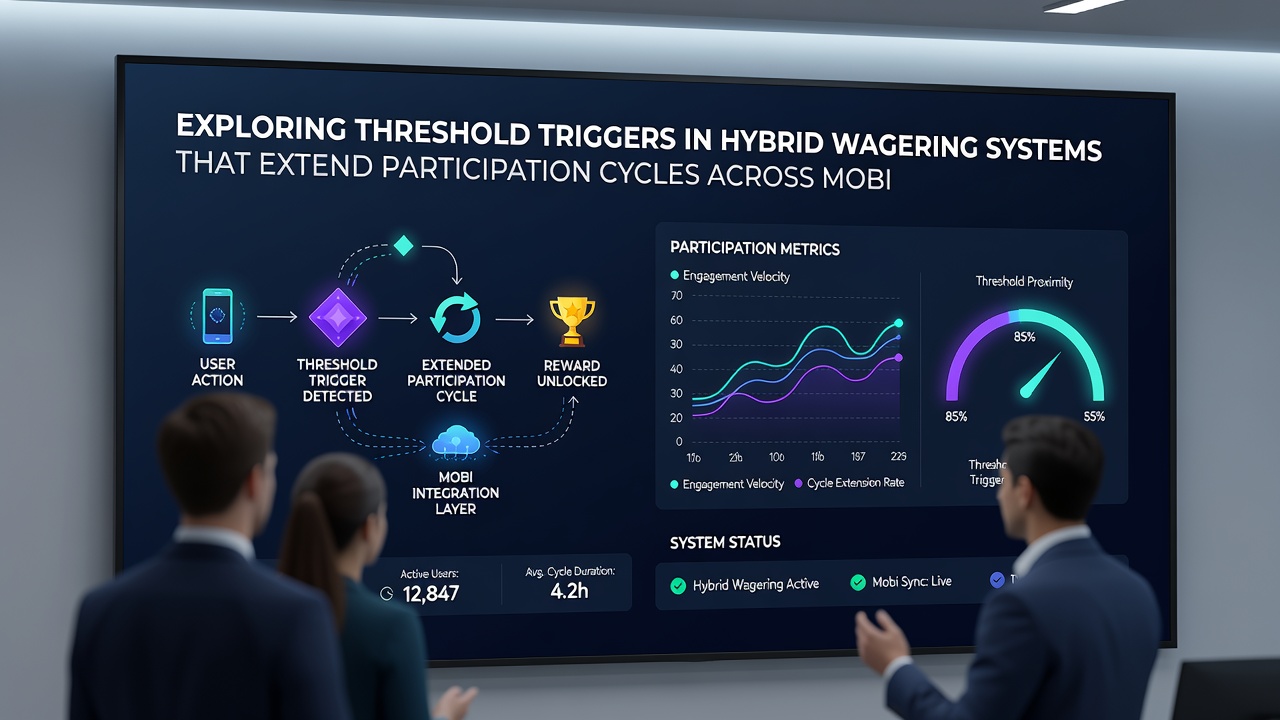
According to figures from the Nevada Gaming Control Board, operators in that jurisdiction recorded measurable upticks in session frequency once threshold systems incorporated cross-vertical requirements, with mobile users showing longer average participation spans than those limited to single-category play. Similar observations appear in data shared by the Australian Communications and Media Authority, where hybrid platforms reported sustained activity levels tied to threshold completions that span several weeks.
Regional Variations in Threshold Implementation
Operators tailor threshold triggers to local regulations and user behaviors, so North American platforms emphasize deposit-based milestones while Asian markets often prioritize wager volume thresholds that unlock lottery-style features within the same app. These differences produce distinct cycle lengths, with mobile users in high-regulation zones completing sequences over shorter periods due to stricter verification layers. Experts tracking global trends observe that June 2026 brought expanded testing of location-aware triggers, where thresholds adjust based on user proximity to licensed venues or events, further embedding mobile platforms into daily routines.
Take one operator that introduced tiered thresholds requiring combined activity across five sports markets and three casino games within a month, resulting in documented increases in multi-session returns without corresponding rises in single-day intensity. Such designs illustrate how the triggers extend cycles by distributing requirements across time and categories rather than concentrating them in isolated bursts.
Conclusion
Threshold triggers in hybrid wagering systems continue to evolve as platforms refine their mobile capabilities, linking initial participation steps with extended sequences that span sports and casino offerings. Evidence from regulatory bodies and platform analytics demonstrates consistent patterns where these mechanisms support longer user journeys across devices, particularly when integrated with event calendars and cross-vertical incentives. As markets advance into the latter half of 2026, further refinements in trigger calibration are expected to maintain alignment with both regulatory standards and mobile usage trends observed in multiple jurisdictions.